Iraq has taken the rare step of declaring force majeure on oilfields developed by foreign companies, after navigation through the Strait of Hormuz was disrupted and the country’s crude exports largely froze.
Officials cited “unprecedented military activity” and said storage is now close to full, leaving Baghdad with little room to keep producing and nowhere easy to send the barrels.
The move comes as international oil prices pushed to their highest settlement in nearly four years, with the U.S.-Israeli war with Iran spilling across the region and raising fears of a prolonged energy shock.
For global markets, the immediate question is not just how long Iraq stays offline, but whether this disruption turns a regional conflict into a worldwide recession trigger.
What force majeure means for Iraq’s oil operations
Force majeure sounds technical, but it is basically a formal admission that normal business cannot continue. In a ministry letter seen by Reuters, Baghdad blamed “unprecedented military activity” and said it ordered a full shutdown of production in affected concessions, “with no compensation” under contract terms.
Iraq’s oil ministry said the scale-back will be reviewed regularly and invited foreign operators to urgent talks on essential operations, staffing, and costs while the clause is in effect. That matters because most of Iraq’s production is concentrated in the south, where contracts, logistics, and export scheduling are tightly choreographed.
The Strait of Hormuz problem
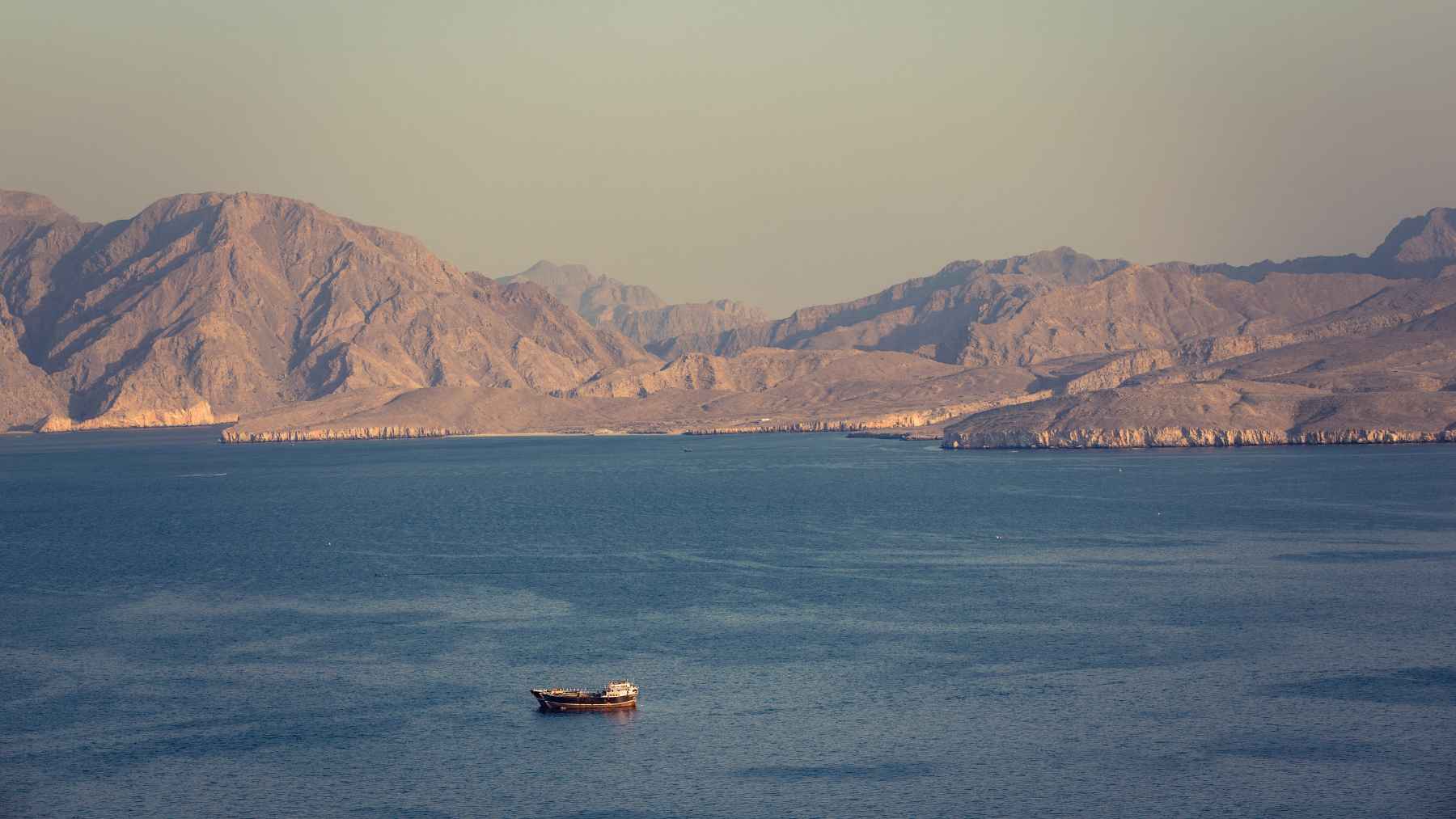
The Strait of Hormuz is one of those names most people only hear when prices jump at the gas station. It is a narrow passage linking the Persian Gulf to the open ocean, and it handles roughly 20% of the world’s oil and liquefied natural gas flows, based on U.S. Energy Information Administration estimates.
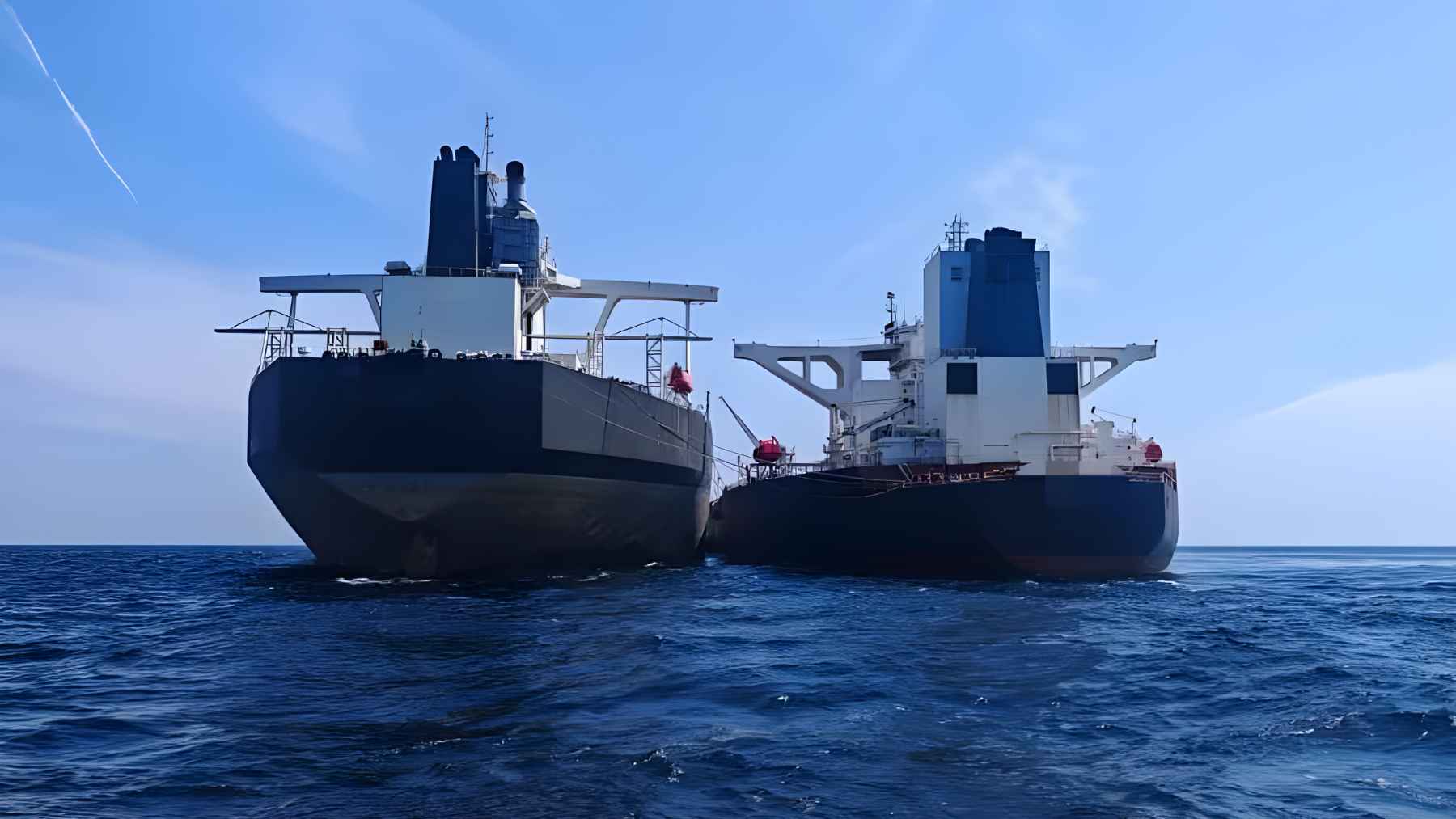
Iraq is especially exposed because most of its crude exports transit the strait. Once tankers stop arriving, storage tanks at ports and fields fill up fast, and producers have no choice but to throttle production even if wells could keep pumping.
A collapse in Basra output, and a budget shock in Baghdad
Iraq’s Oil Minister Hayan Abdel-Ghani said Basra Oil Company output has been cut to about 900,000 barrels per day, down from about 3.3 million bpd, after exports from the southern ports were halted.
The ministry said the reduced output is being redirected to keep domestic refineries running, a stopgap that protects local fuel supplies but does not replace export revenue.
That revenue gap matters because Iraq relies on crude sales for nearly all public spending and more than 90% of its income. Even a short interruption can squeeze salaries, infrastructure payments, and imports, and it can make political bargaining in Baghdad even more brittle than usual.
Why this matters beyond Iraq
Iraq’s stoppage is hitting a market already on edge, because the conflict has widened beyond Iran’s borders. Reuters reported that Iran has struck Israel and Gulf Arab states that host U.S. military installations, while Israel has launched additional attacks in Lebanon after Hezbollah fired across the border.
In practical terms, that escalation raises the risk that other producers, pipelines, or shipping routes could face similar disruptions. And because markets price fear as quickly as they price barrels, even the perception of wider outages can keep Brent crude above $100 and pull refined fuel costs higher for businesses and households.
The tech and defense layer of the crisis
This is also a modern war story, not just an oil story. Navigation disruptions in narrow waterways can come from mines, drones, missile strikes, cyber interference with port systems, or insurers pulling coverage, and it does not take a full blockade to spook shipping. In a region packed with military hardware, small incidents can ripple into big economic outcomes.
For companies, the lesson is that energy security now overlaps with logistics technology and defense policy. Satellite tracking, port cybersecurity, and the resilience of industrial control systems are no longer niche topics, because they can decide whether a country can export and whether a buyer can get supply on time.
What to watch next
The next pivot point is whether traffic through the Strait of Hormuz can be stabilized, and how quickly Iraq can restart exports without damaging reservoirs or contracts. Baghdad said it will review the shutdown periodically, but if storage remains full and tankers stay away, the country may be forced to keep output depressed for longer than its budget can tolerate.
Markets will also be watching whether major consuming nations release strategic reserves or coordinate demand-side measures to blunt the shock. The International Energy Agency has already announced plans for a coordinated release of more than 400 million barrels, but officials have been clear that emergency stocks can only buy time, not fix a blocked chokepoint.
A fragile economy meets a modern supply chain problem
For Iraq, the immediate challenge is physical: storage, tankers, and exports. But the longer-term risk is financial and political, because oil is the engine of the state. If the disruption drags on, Baghdad may face a familiar dilemma: cut spending, borrow more, or risk internal instability.
For everyone else, the message is simpler. When a single strait moves a fifth of global energy flows, a conflict that disrupts shipping is not distant geopolitics—it is something that can show up in manufacturing costs, airline tickets, and the monthly budget at home.
The report was published on International Energy Agency.