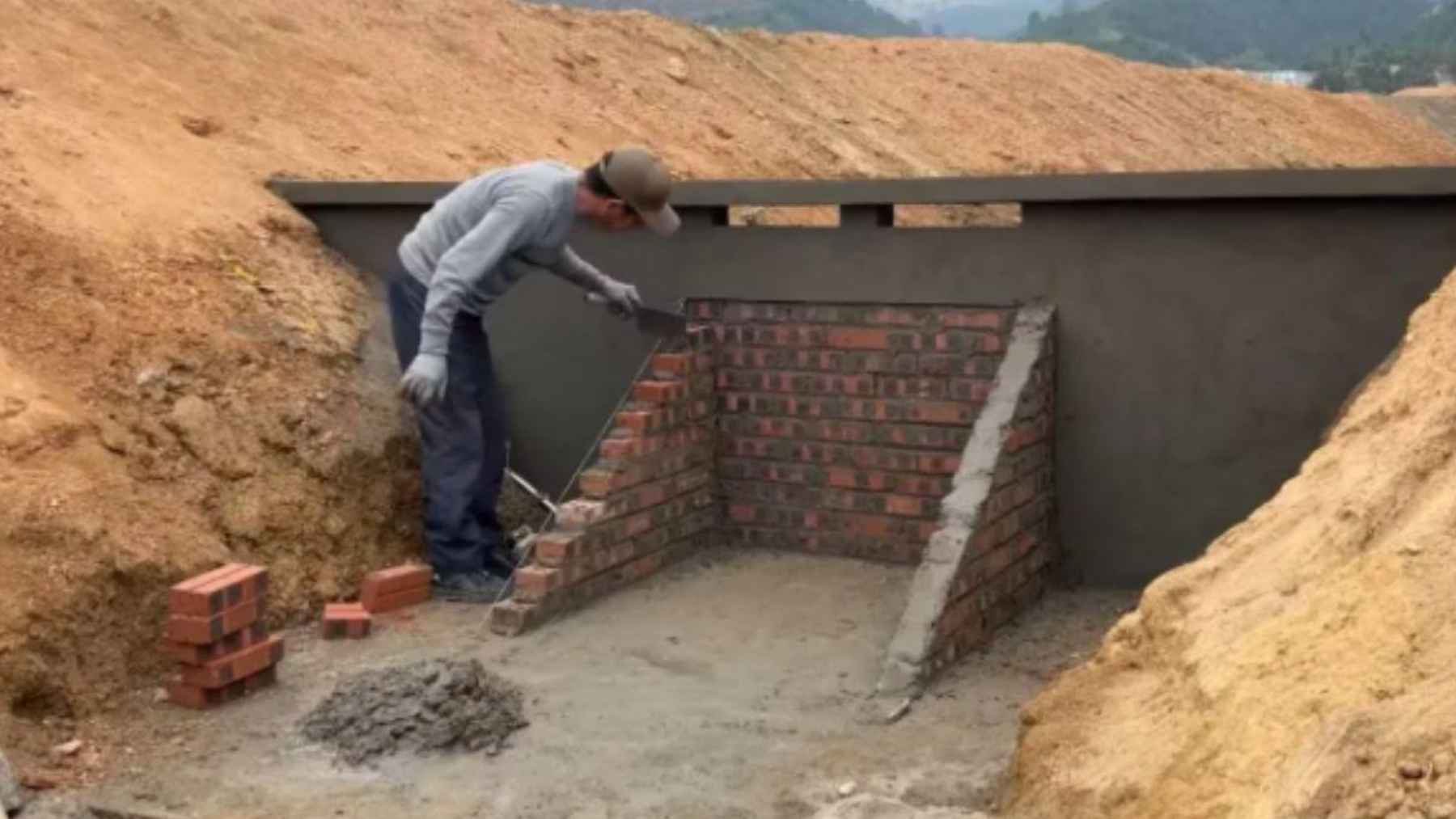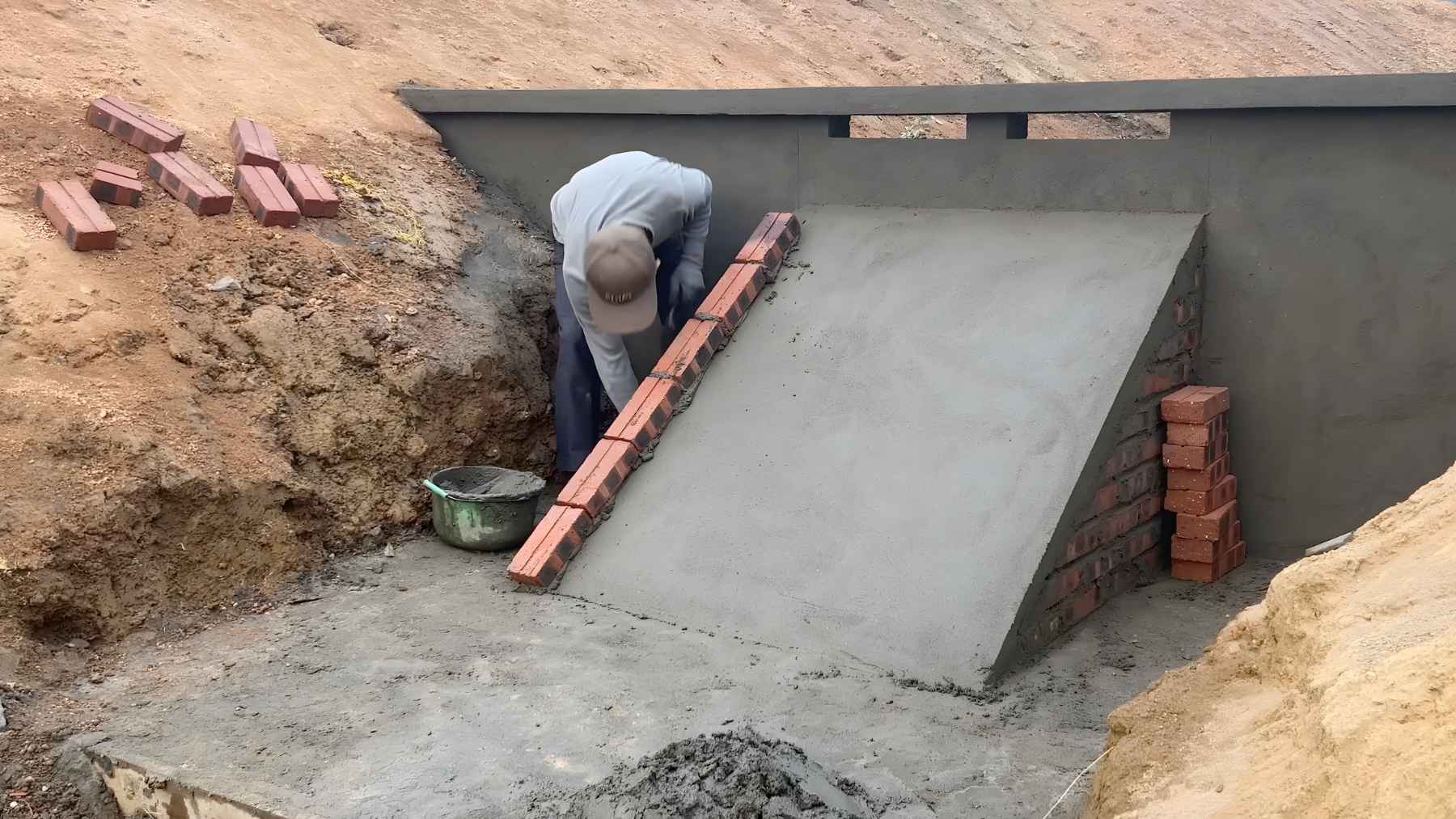
What do you do when a stream runs through your yard and the electric bill never really takes a break? Vietnamese engineer and content creator Chien-Tran answered that question by building a 220-volt mini hydropower plant at home, turning moving water into usable electricity and into a small but telling case study in energy independence.
His YouTube channel “Mini Construction” has about 281,000 subscribers, and one of his videos about a 220V mini hydropower build has drawn roughly 10 million views.
The number that grabs attention is the output claim. Chien-Tran says the system can generate up to 13,200 kilowatt-hours a year. If that figure holds across the year, it works out to about 36 kWh a day, or roughly 1.5 kilowatts on a continuous basis.
That may not sound huge, but it is not trivial either. Using Vietnam Electricity’s average retail tariff, that much power would represent a little over 29 million VND a year before equipment, maintenance, and construction costs are taken into account.
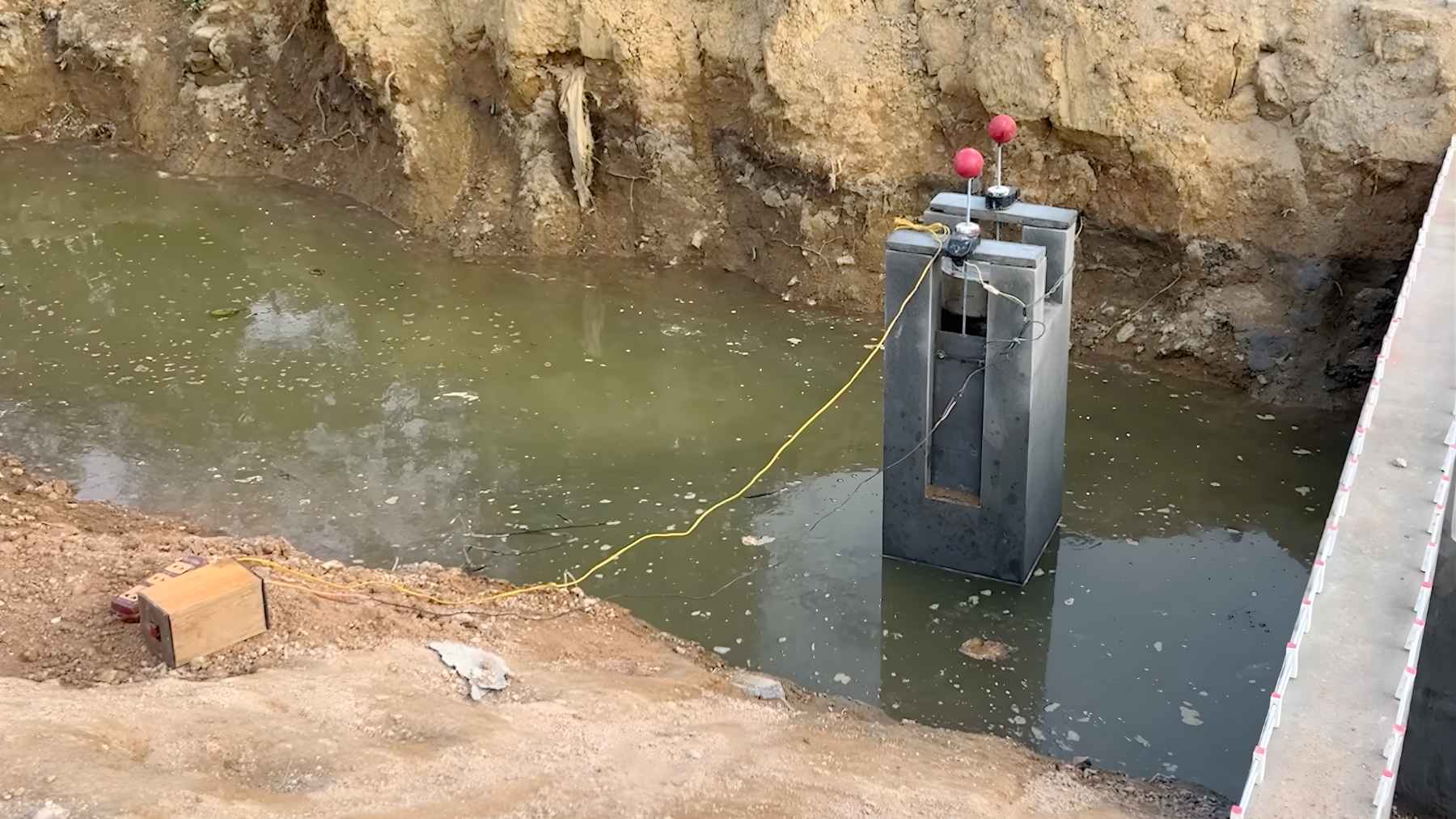
Local Innovation: Chien-Tran’s homemade 220V hydroelectric unit uses the natural flow of a backyard stream to generate consistent power.
Why microhydropower still matters for off-grid energy
And that is where the story gets more interesting. This is not just a viral DIY build. It highlights why microhydropower still gets serious attention in rural and off-grid settings. The U.S. Department of Energy says microhydropower systems usually generate up to 100 kilowatts, and that even a 10-kilowatt setup can supply a large home, a small resort, or a hobby farm.
DOE also notes that these systems can be among the more consistent forms of renewable energy on a property. Unlike rooftop solar, a stream does not stop moving when the sun goes down.
But there is a catch. Actually, there are several. DOE says a workable site needs flowing water, enough vertical drop, and the right economics, permits, and water rights. In practical terms, no stream, no project.
The agency also says a run-of-the-river system needs water conveyance, a turbine, a generator, and controls to regulate output. Chien-Tran’s project follows that basic formula, and the result is easy to understand because it lands in everyday life. A fan spins. A lamp turns on. The kind of thing that makes the idea feel less abstract.
Small-scale hydropower and the push for energy independence
At the end of the day, this homemade plant is not a universal answer to rising power costs. It is a reminder that small-scale hydropower can be surprisingly practical when geography does the heavy lifting. For the right property, that matters. A lot.
The video was published on YouTube.