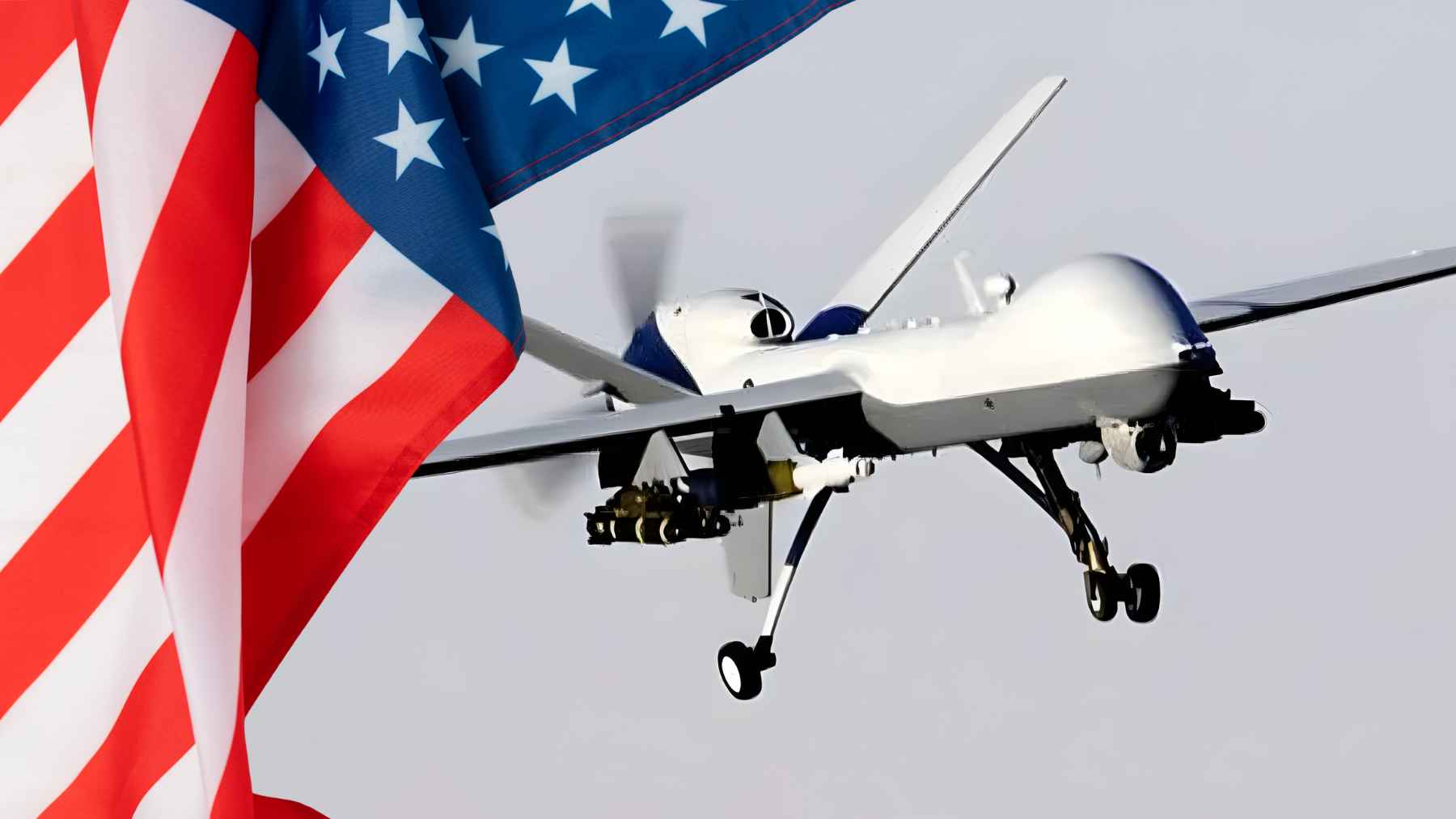
The United States is turning low-altitude airspace into part of the security perimeter for the 2026 FIFA World Cup.
The Department of Homeland Security said its new Program Executive Office for Unmanned Aircraft Systems and Counter-Unmanned Aircraft Systems is finalizing a $115 million investment in counter-drone technology for World Cup venues and events tied to the 250th anniversary of American independence.
The bigger story is not just the money. It is the creation of a unit designed to buy and field these tools faster as drone threats keep changing.
Not one device but a layered shield
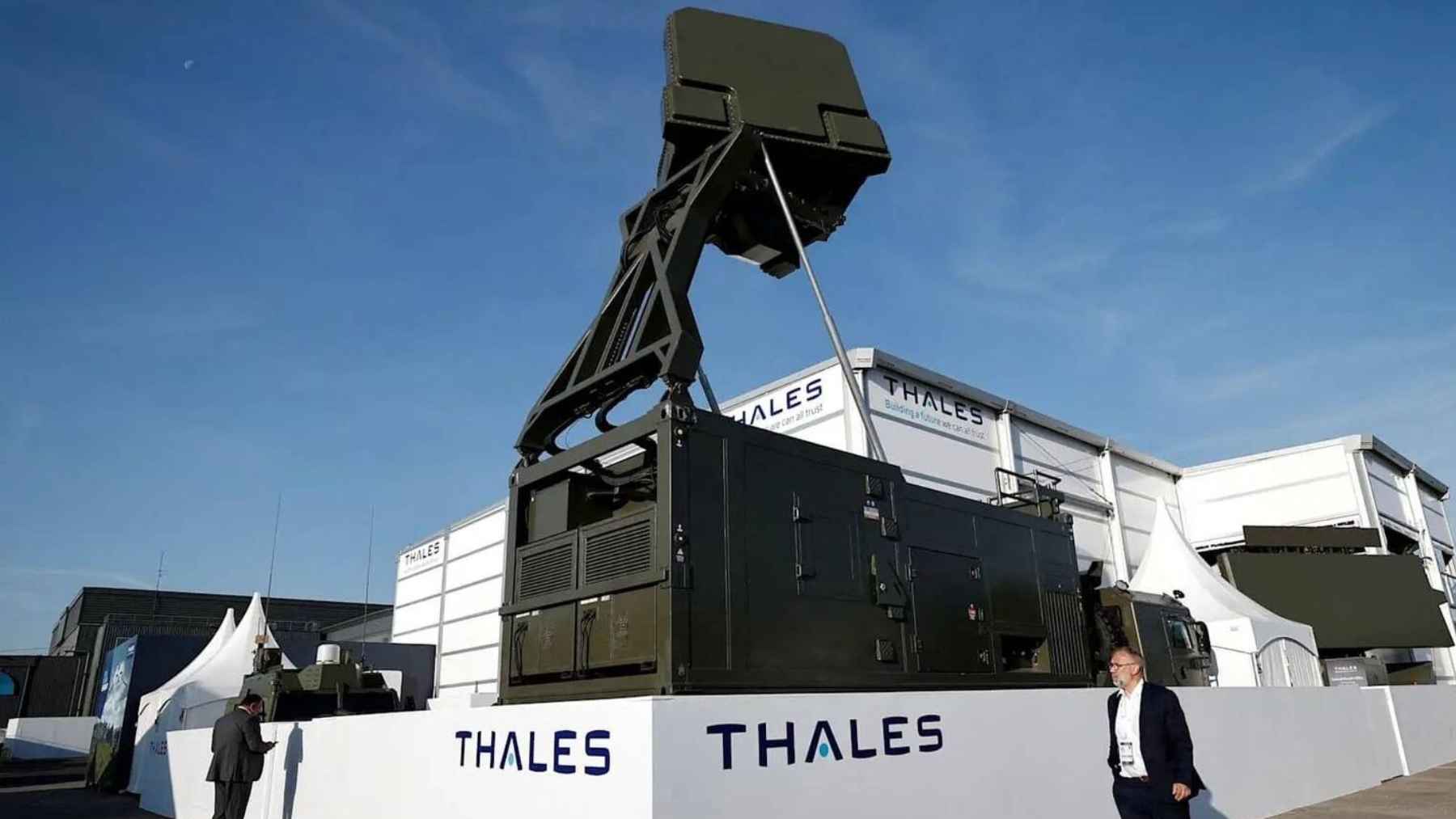
So what is Washington actually buying? For now, DHS has not named vendors or specific systems. But FEMA’s grant language shows the basic playbook.
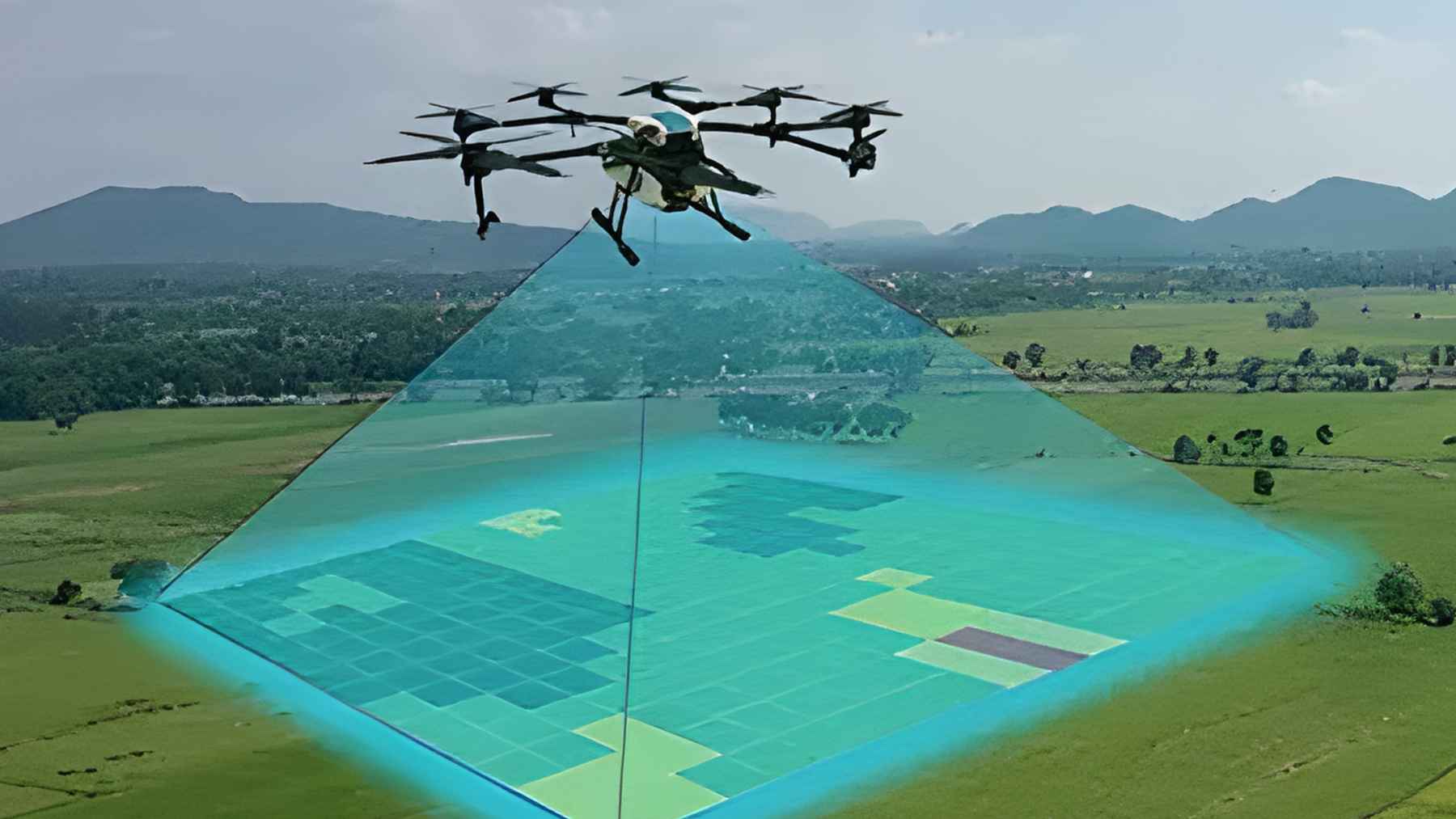
Eligible agencies can purchase technology to detect, identify, monitor, and track drones and, in select jurisdictions, mitigate them. In practical terms, that means tools that can spot an unauthorized aircraft early and help authorities protect the public and critical infrastructure before a major event gets thrown off course.
That shift matters because major event security no longer ends at the stadium gate. Think train platforms, packed fan zones, and the busy streets outside the venue. It now stretches into the air above them too. DHS said the new office is meant to “outpace evolving threats and tactics,” which is a clear sign that federal planners see drone risk as a moving target, not a one-time problem.
The World Cup is the deadline
FEMA has already awarded $250 million through its counter-drone grant program to 11 states tied to FIFA 2026 and to the National Capital Region. The agency said the money went out 25 days after the application deadline and called it the fastest non-disaster grant program in FEMA’s history.
That is fast by any standard, and it shows how urgently Washington wants these systems in place before the tournament.
The wider program totals $500 million across fiscal 2026 and 2027, with the remaining $250 million set aside for a broader nationwide push. Taken together, the new DHS office, the fast-tracked
FEMA awards, and the two-year funding line suggest counter-drone tools are being folded into mainstream event security, right alongside cameras, barriers, and screening lines.
The press release was published by the Department of Homeland Security.