What does a transit shift look like once it moves beyond pilot projects? In Germany, it looks like 1,887 more electric buses.
The federal government has awarded $454 million to 151 transport companies under its latest funding round, after earlier buses backed by the same program already helped avoid more than 130,000 metric tons of CO₂ compared with diesel models. Transport Minister Patrick Schnieder announced the awards at BUSKON 2026 in Berlin.
That matters because Berlin is no longer talking only about future promise. More than 2,200 federally funded electric buses are already on the road, and the ministry says it has invested about $1.63 billion in cleaner bus fleets since 2021.
For riders, this is not just climate math on a spreadsheet. It also means quieter trips and less diesel exhaust hanging around the curb during the morning commute.
Charging infrastructure and Germany’s 2026 transport strategy
In practical terms, the policy goes beyond the vehicles themselves. Germany’s funding framework also covers charging and refueling infrastructure as well as feasibility studies, and part of the money is co-financed through the EU Recovery and Resilience Facility. The scheme is built mainly around battery-electric and fuel cell buses.
Schnieder also said a new funding guideline is expected this spring, with up to $554 million earmarked for 2026. That suggests the government sees this round as part of a broader scale-up, not a one-time burst of spending.
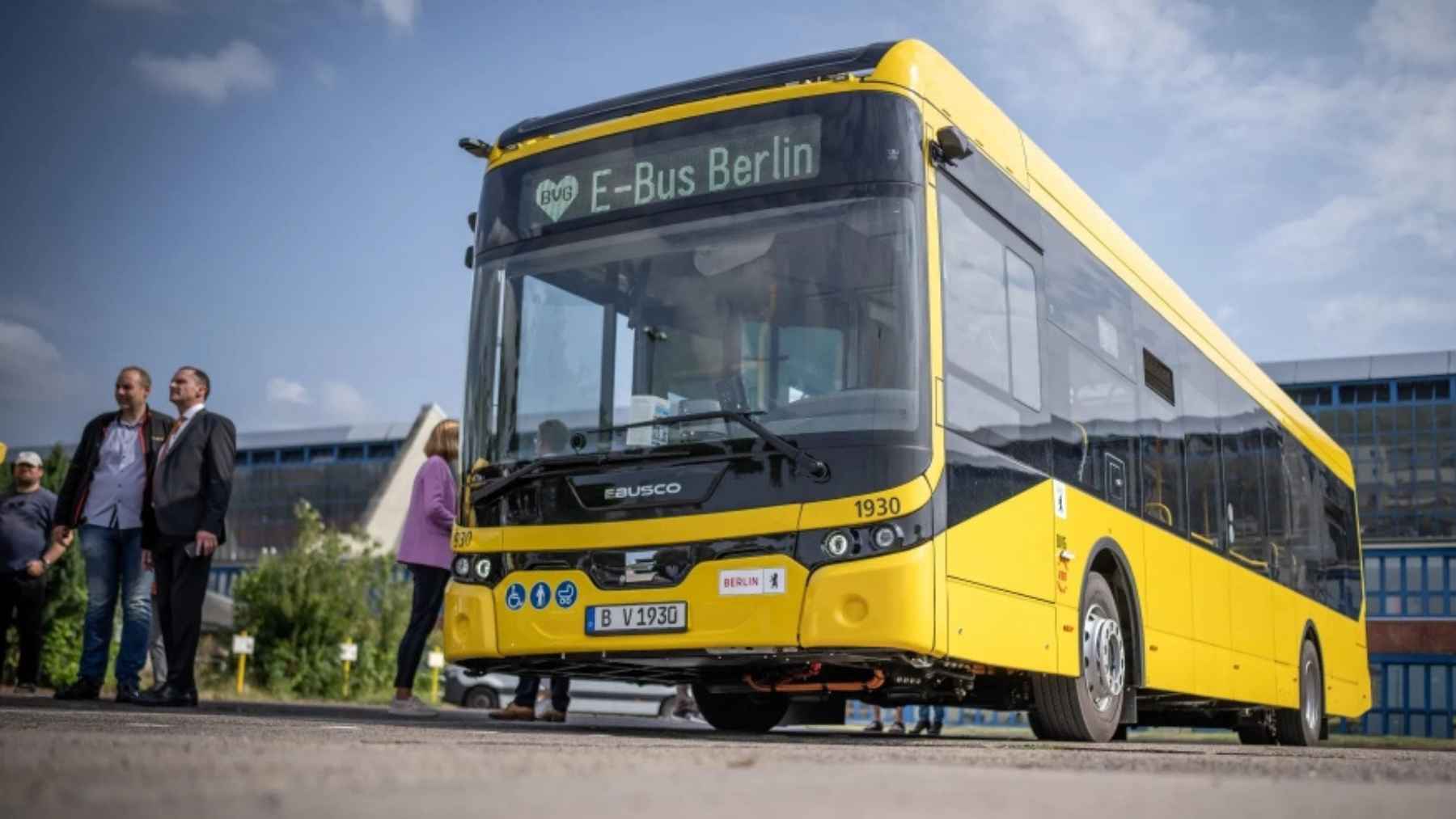
An electric bus in Berlin highlights Germany’s push to replace diesel fleets with zero emission public transport.
Spain’s electric bus plans compared with Germany
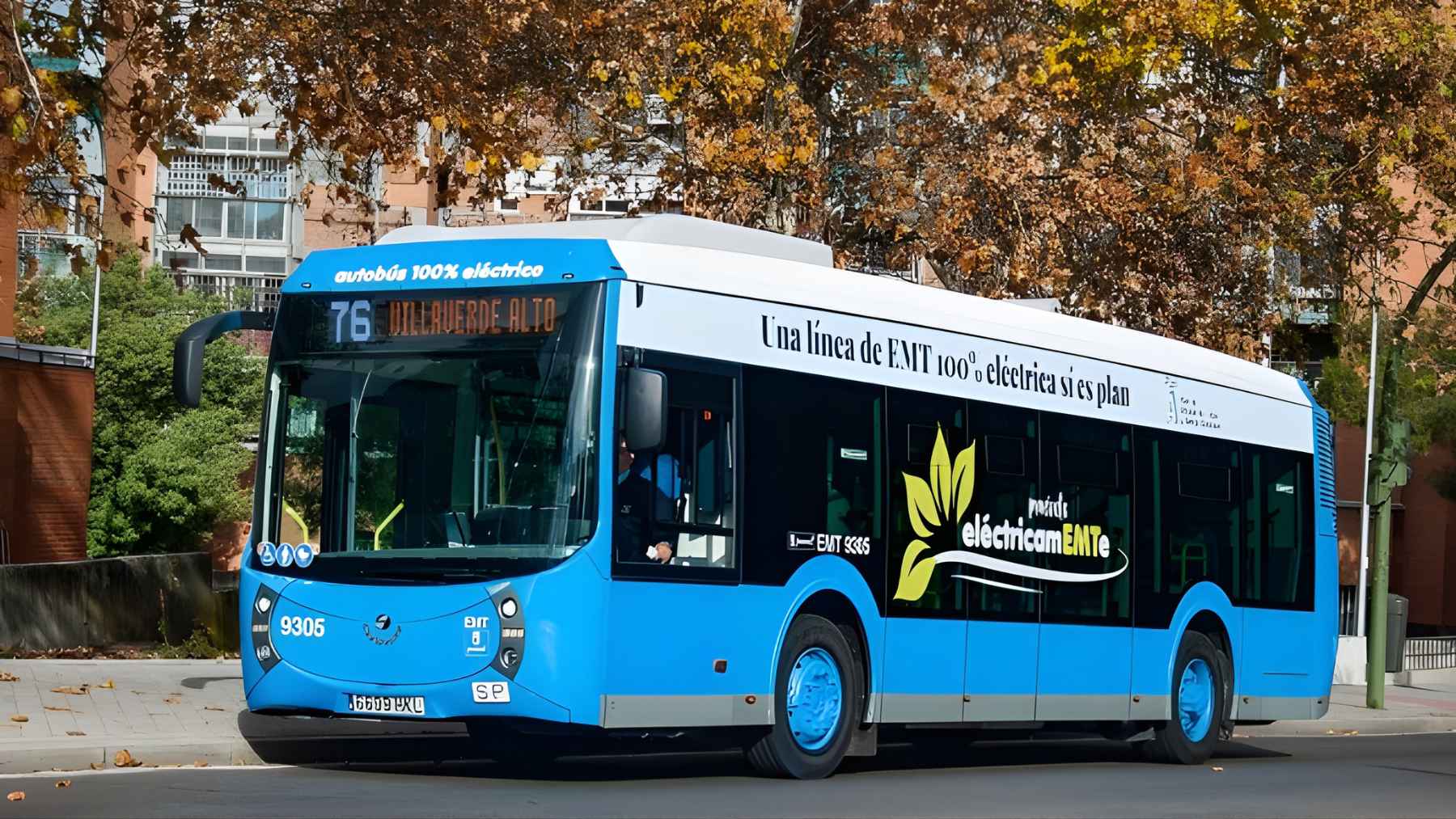
Spain offers an interesting contrast. Madrid has also put serious recovery money into cleaner urban transport, but through a broader low-emission zones and sustainable mobility program rather than one concentrated national package focused on buses.
By the Spanish government’s own September 2025 update, local authorities had received $1.6 billion through 2022 and 2023 calls, including $221 million to buy at least 837 electric buses and $74.4 million for charging points. In other words, Germany is writing a tighter bus-first playbook, while Spain is spreading its bets across wider city mobility upgrades.
At the end of the day, Germany’s latest move shows how public funding can turn early emissions savings into a bigger second wave of fleet replacement. The next question is simple.
Can operators get the buses into service fast enough, build the chargers on time, and make the economics work for the long haul? That is where Europe’s clean bus push will really be tested.
The press release was published on BMV.