Could a few bricks, a water channel, and a small turbine really cut the electric bill? A March 3, 2026, report from Argentina’s Clarín says one man built a homemade hydroelectric setup from basic materials and produced household-voltage electricity without relying on the traditional grid.
For anyone looking for round-the-clock renewable power, that gets attention fast. But the bigger story is not the masonry. It is whether the site has enough water and enough drop to make the idea work day and night.
The U.S. Department of Energy says microhydropower systems can generate up to 100 kilowatts, and a 10-kilowatt system can generally supply a large home, a small resort, or a hobby farm.
The water does the real work
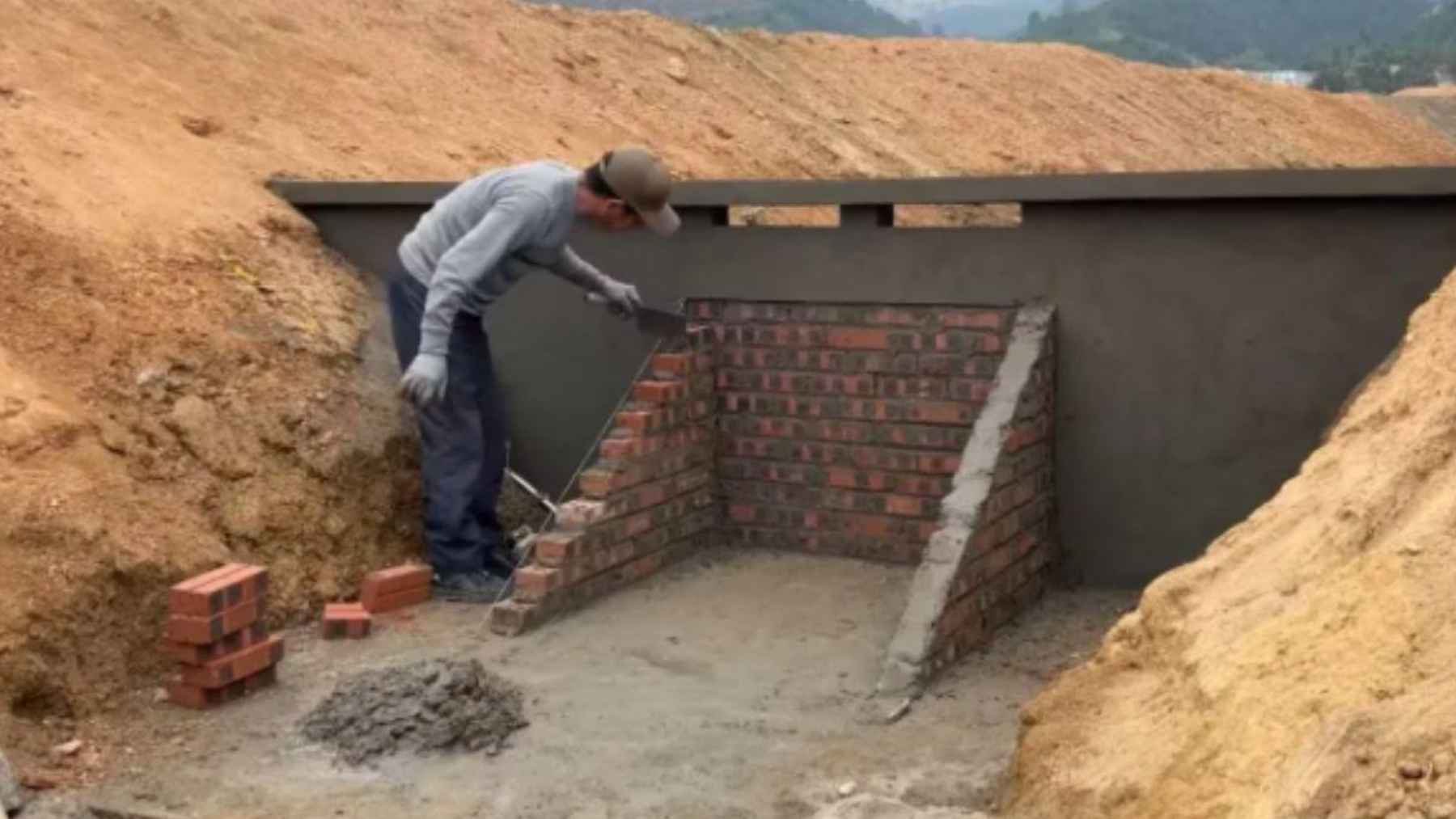
The reported design used a small diversion channel and a brick-and-concrete structure to concentrate the flow before it hit a turbine linked to a generator. That is classic hydropower. Moving water becomes rotation, and rotation becomes electricity. There is also a telling detail in the coverage.
Clarín described the output as 220 volts, while a follow-up version framed it as 230 volts. Either way, DOE guidance shows that the figure readers really need is output in watts, calculated from head and flow, not household voltage alone.
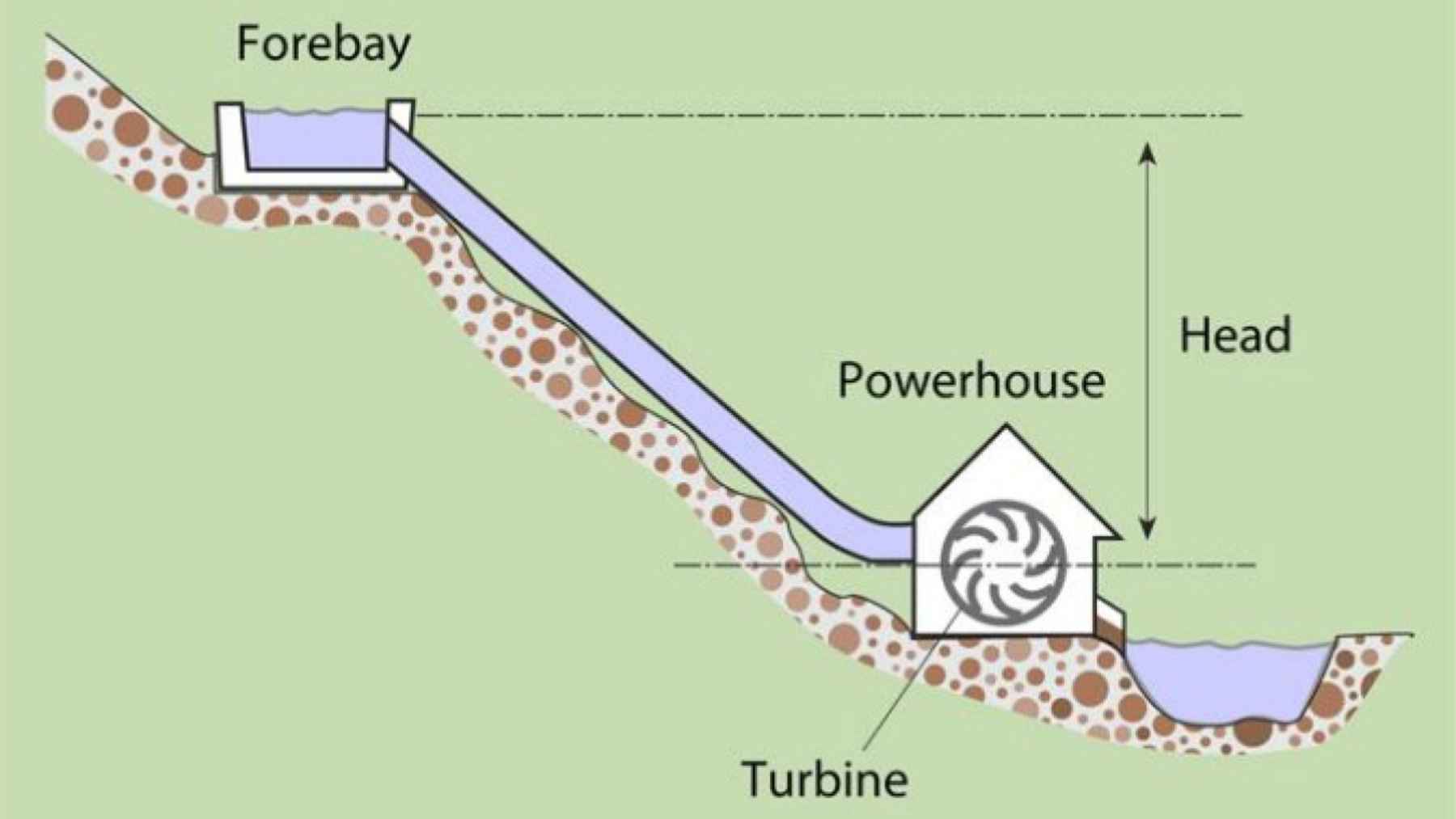
Engineering the flow: A microhydropower system relies on the “head”—the vertical distance water falls—to spin a turbine and generate electricity.
Simple idea, harder reality
DOE says many microhydropower systems can be estimated at 50% to 70% efficiency or more, and it warns that a vertical drop of less than 2 feet will probably make a small-scale site unfeasible.
The agency also notes that turbine choice depends on head and water volume, with lower-head and higher-flow sites generally needing a different setup than high-head locations. In practical terms, no steady stream means no steady power.
That is the part that often gets lost once a viral build starts making the rounds online.
And then there is the part viral videos usually skip. Off-grid power still needs regulators, wiring, grounding, and other protection equipment. DOE says balance-of-system hardware can account for half of total costs in a stand-alone renewable installation, and it also flags permits and water rights as part of the planning process.
So yes, the homemade build is a smart example of local energy thinking. But for the most part, micro-hydro is less about stacking bricks and more about getting the engineering, safety, and site conditions right.
The official guidance was published on U.S. Department of Energy.