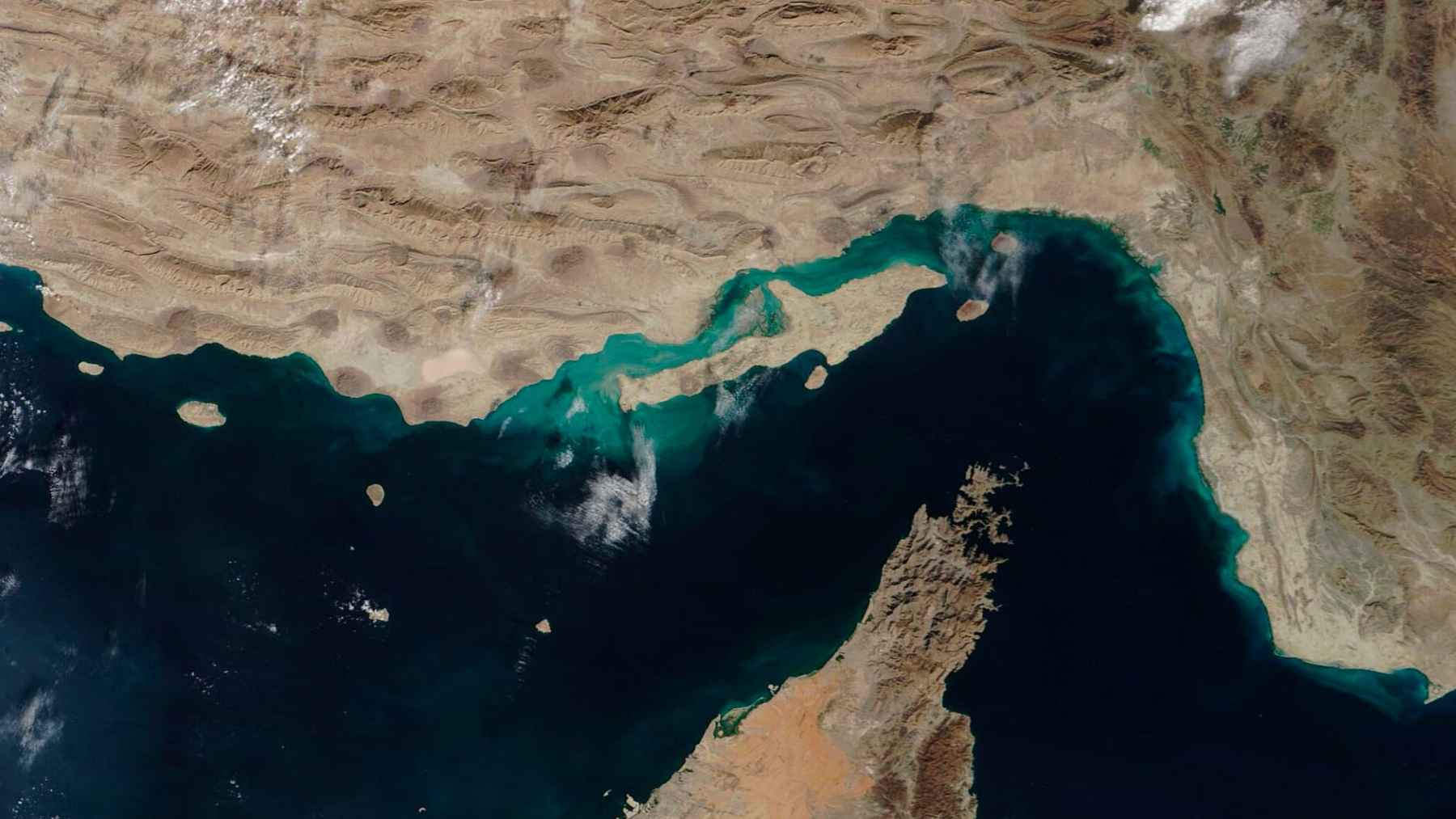
When is a shipping lane “open” but still not really open? That is the question hanging over the Strait of Hormuz after Iran said many vessels can pass if they coordinate with its navy, while U.S. officials also acknowledged that some traffic is moving again.
But this is not a return to normal trade. It is a wartime filter, with access shaped by military approval, political alignment, and raw risk.
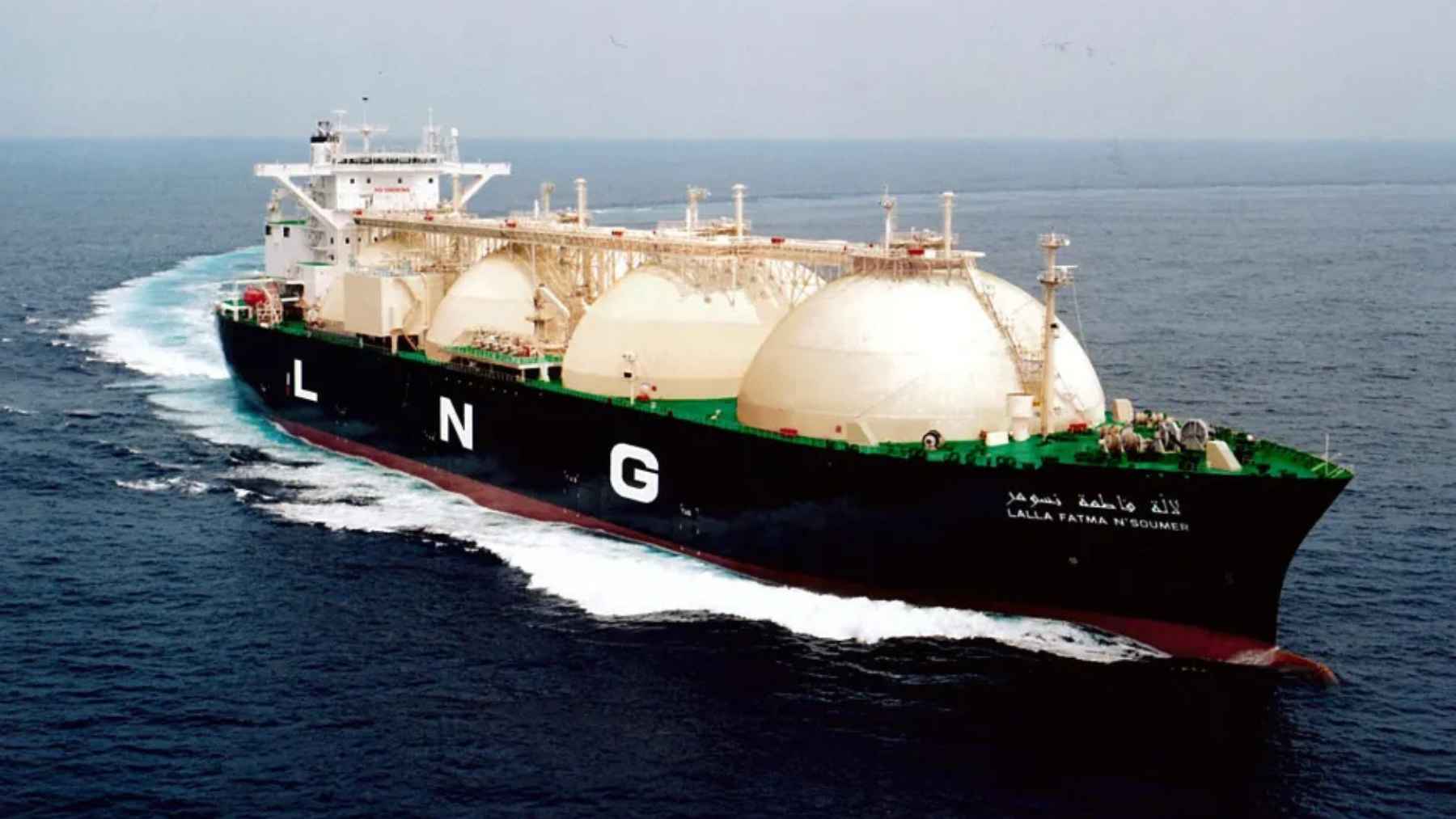
That distinction matters because Hormuz is not just another waterway. It carries about a fifth of the world’s oil and liquefied natural gas, so even a partial disruption can hit fast and far. Reuters reported that crude tanker transits fell to just four vessels on March 1, down from an average of 24 per day since January.
Around 300 tankers were still inside the strait at the time, waiting out a crisis that has already pushed crude prices more than 15% higher since the fighting began on February 28. For businesses, that is the kind of shock that can move from freight contracts to factory costs and, before long, to the gas pump.
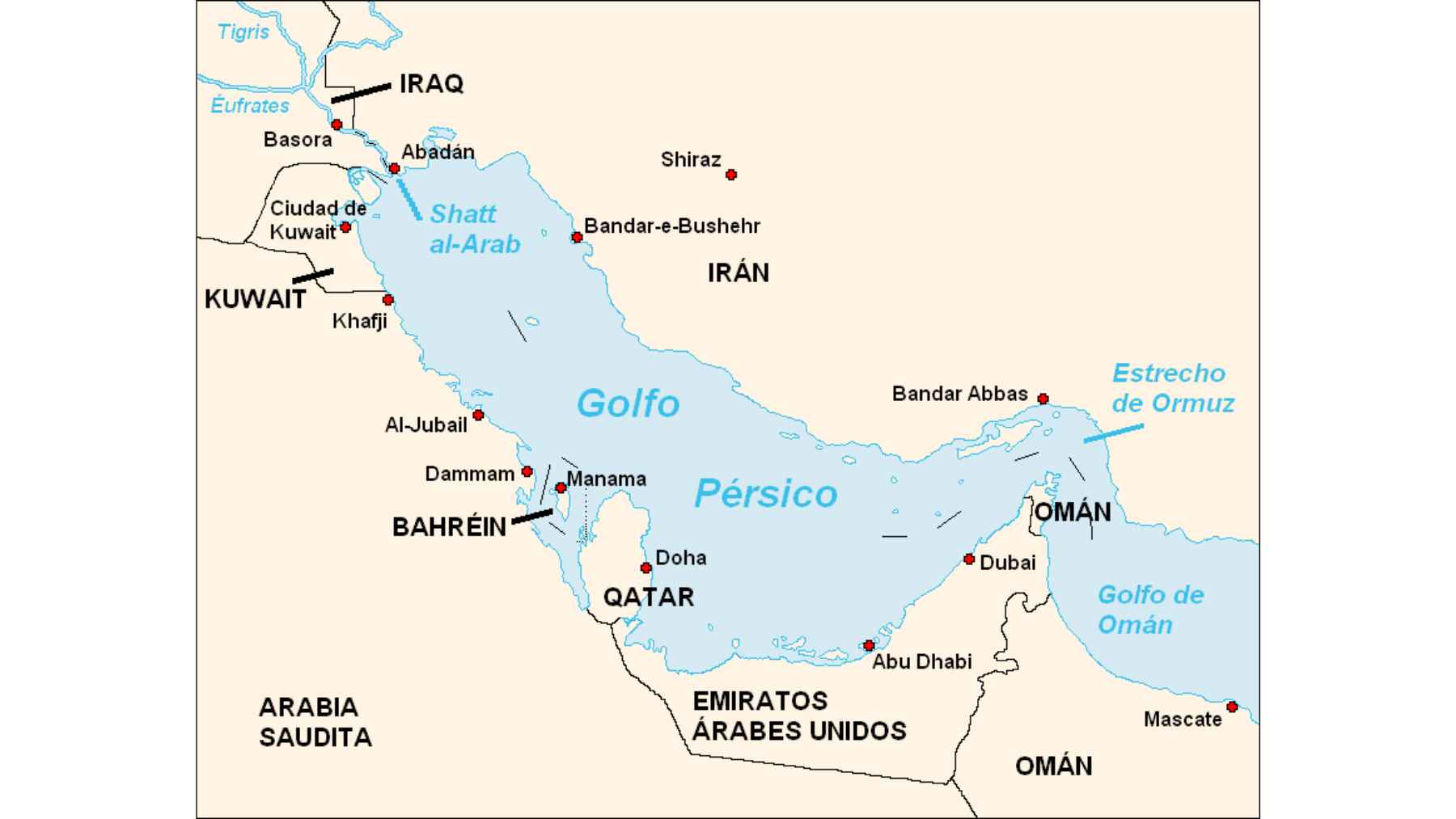
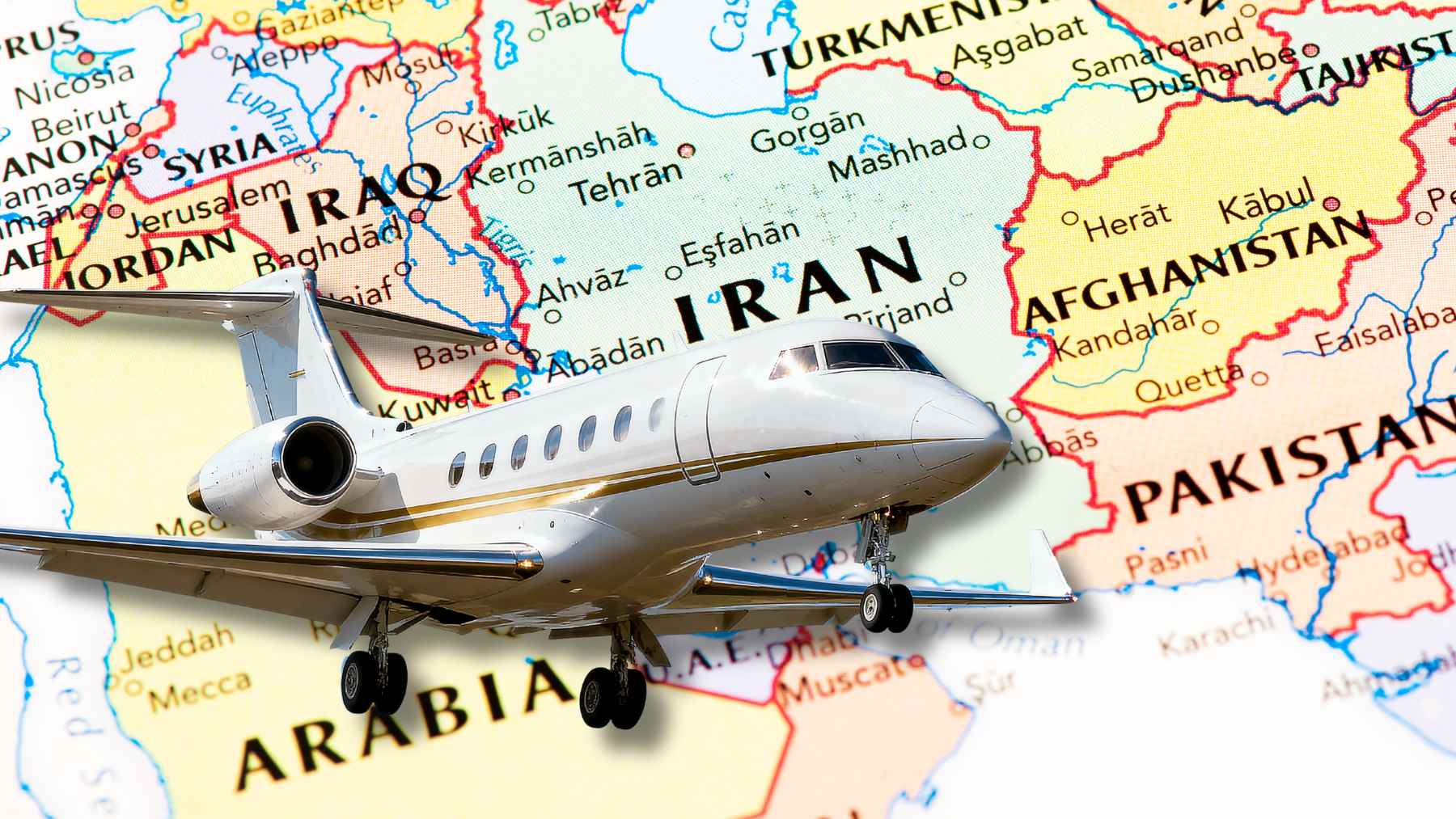
A map of the Persian Gulf highlights the Strait of Hormuz, a critical chokepoint for global oil shipments now under rising tension.
China and the United States are shaping the next phase of Hormuz traffic
China saw the danger early. Reuters reported on March 5 that Beijing was in talks with Tehran to secure safe passage for crude and Qatari LNG cargoes, with diplomatic sources saying China gets about 45% of its oil through the strait.
In practical terms, that means the issue is no longer only about missiles and warships. It is also about whether Asia’s biggest importers can keep energy flowing without accepting Iran’s new rules of passage.
Washington, for its part, is trying to draw a different line. In a March 13 Pentagon briefing, Gen. Dan Caine said “the only thing preventing commercial traffic and flow through the straits right now … is Iran,” while Defense Secretary Pete Hegseth said the United States would not allow the passage to remain contested and was working to keep energy moving.
At the same time, Treasury Secretary Scott Bessent said on March 16 that the U.S. was “fine” for now with some Iranian, Indian, and Chinese ships getting through, suggesting markets may get a limited breather before any larger naval protection plan takes shape.
Oil markets are moving again, but the risk has not gone away
And that is the real story. Selective passage is not maritime security. It is leverage. The International Energy Agency has already arranged for more than 400 million barrels from emergency reserves to start flowing, and Reuters reported that UAE oil output has dropped by more than half as shut-ins spread. So yes, a few ships are moving.
But for the most part, Hormuz remains a chokepoint where global trade depends on who is allowed through. That is not stability. It is a warning.
The official statement was published on the U.S. Department of Defense.