China’s oil strategy is running into a hard reality check. For years, the world’s biggest crude importer has leaned on discounted barrels from Russia, Iran, and Venezuela to keep costs down. Now that model is under pressure from several directions at once.
Chinese state oil giants already halted seaborne purchases of Russian crude in October 2025 after U.S. sanctions hit Rosneft and Lukoil.
This month, Washington added a temporary 30-day waiver for Russian oil already loaded at sea and headed to buyers such as India, a sign of how badly the war around Iran has scrambled energy markets.
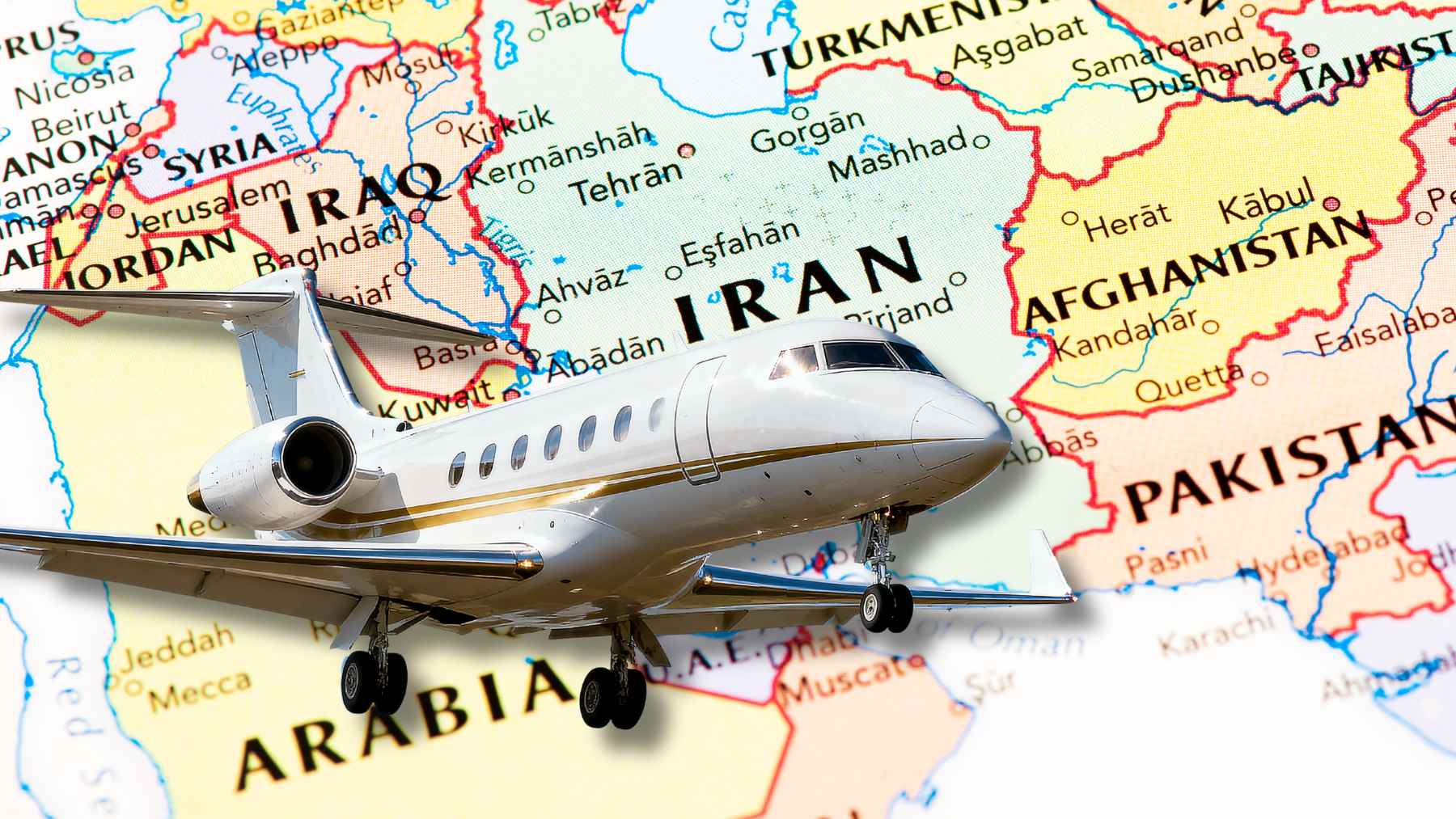
Strait of Hormuz risk is now hitting Beijing directly
That matters because China is not just watching the Strait of Hormuz crisis from afar. It is living with the consequences. Beijing has urged all sides to stop military operations and protect shipping, calling Hormuz an important trade route for goods and energy.
The concern is easy to understand. Reuters reported that China imported 11.55 million barrels per day last year, with roughly half coming from the Middle East.
When traffic through a route that carries about one-fifth of the world’s oil is disrupted, the shock does not stay on a trader’s screen for long. It can eventually show up at the refinery gate and, for ordinary people, in the cost of transport and the wider price of doing business.
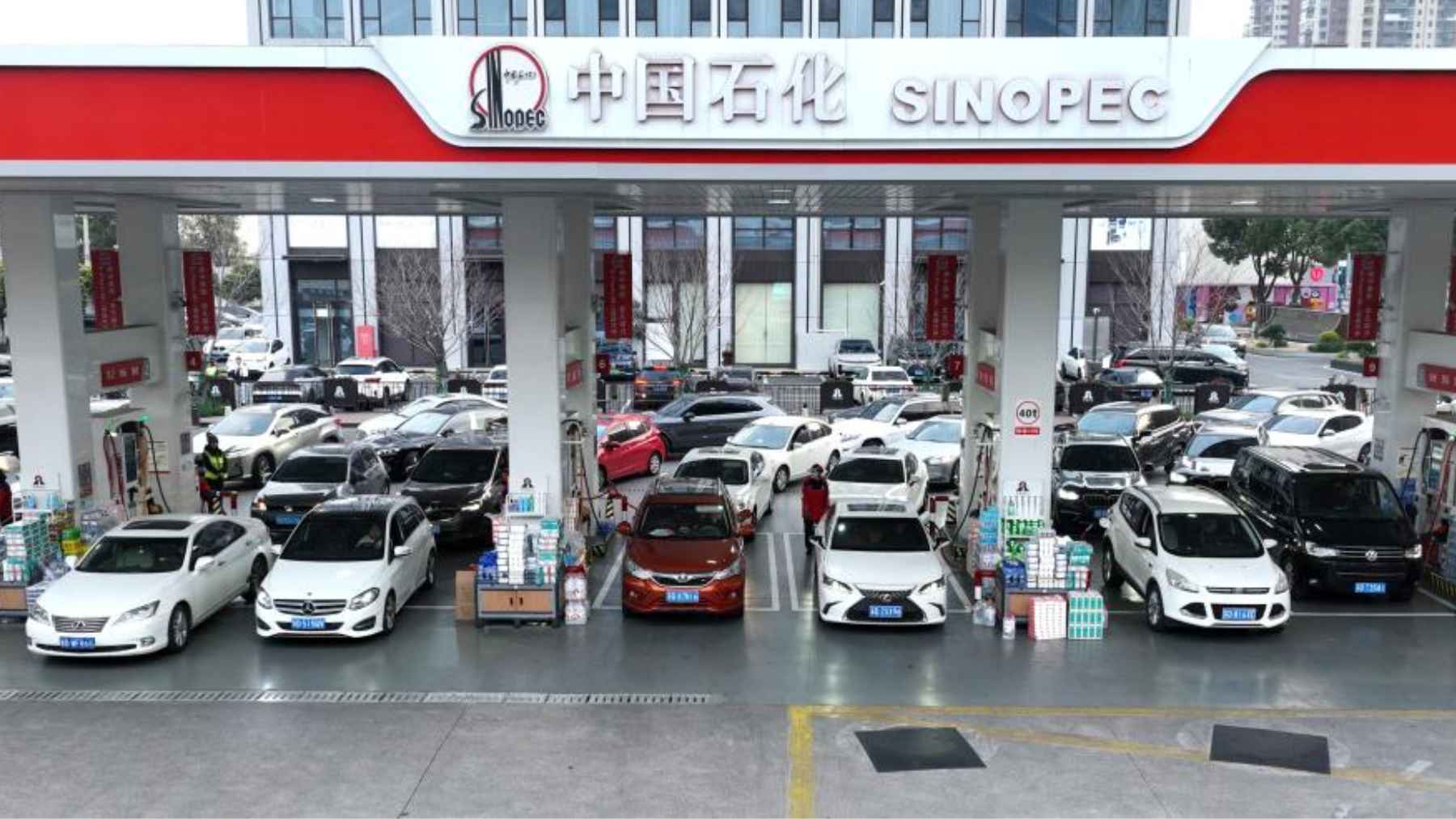
Drivers crowd a Sinopec station as Beijing moves to halt fuel exports and prioritize domestic supply during the Middle East energy crisis.
China is already changing its short-term energy playbook
Beijing’s response has been practical and urgent. Sinopec, the world’s biggest refiner by capacity, is reportedly cutting March throughput by more than 10%, or about 600,000 to 700,000 barrels per day, because of the Middle East supply squeeze.
China also moved to halt March exports of diesel, gasoline, and jet fuel, while officials rejected Sinopec’s request to tap 95 million barrels from national commercial reserves. In other words, China is treating this as more than a temporary shipping headache. It looks like a real supply security problem.
Stockpiles buy time but not immunity
Still, China has cushions that many Asian peers do not. Reuters reported estimates of around 900 million barrels in strategic inventories, or about 78 days of imports.
It is also still absorbing large volumes of discounted crude. Year to date, Iranian oil accounted for 11.5% of China’s seaborne imports, while Russian barrels made up 10.5%. That gives Beijing room to maneuver, but not unlimited room.
At the end of the day, this crisis shows that even China’s huge stockpiles and flexible buying strategy cannot fully escape geopolitics when chokepoints tighten and sanctioned supply becomes harder to move.
The official statement was published on the Chinese Foreign Ministry.