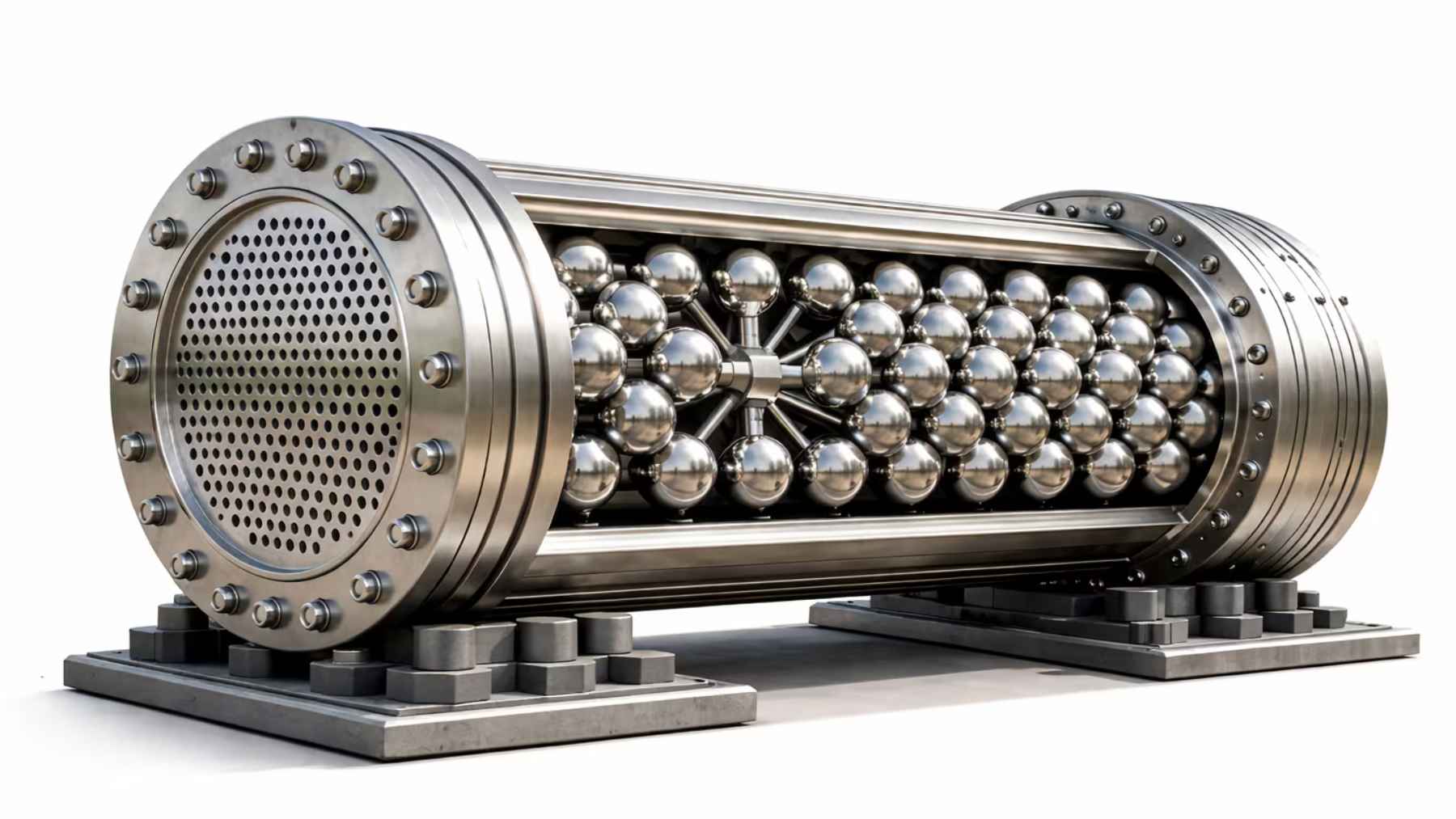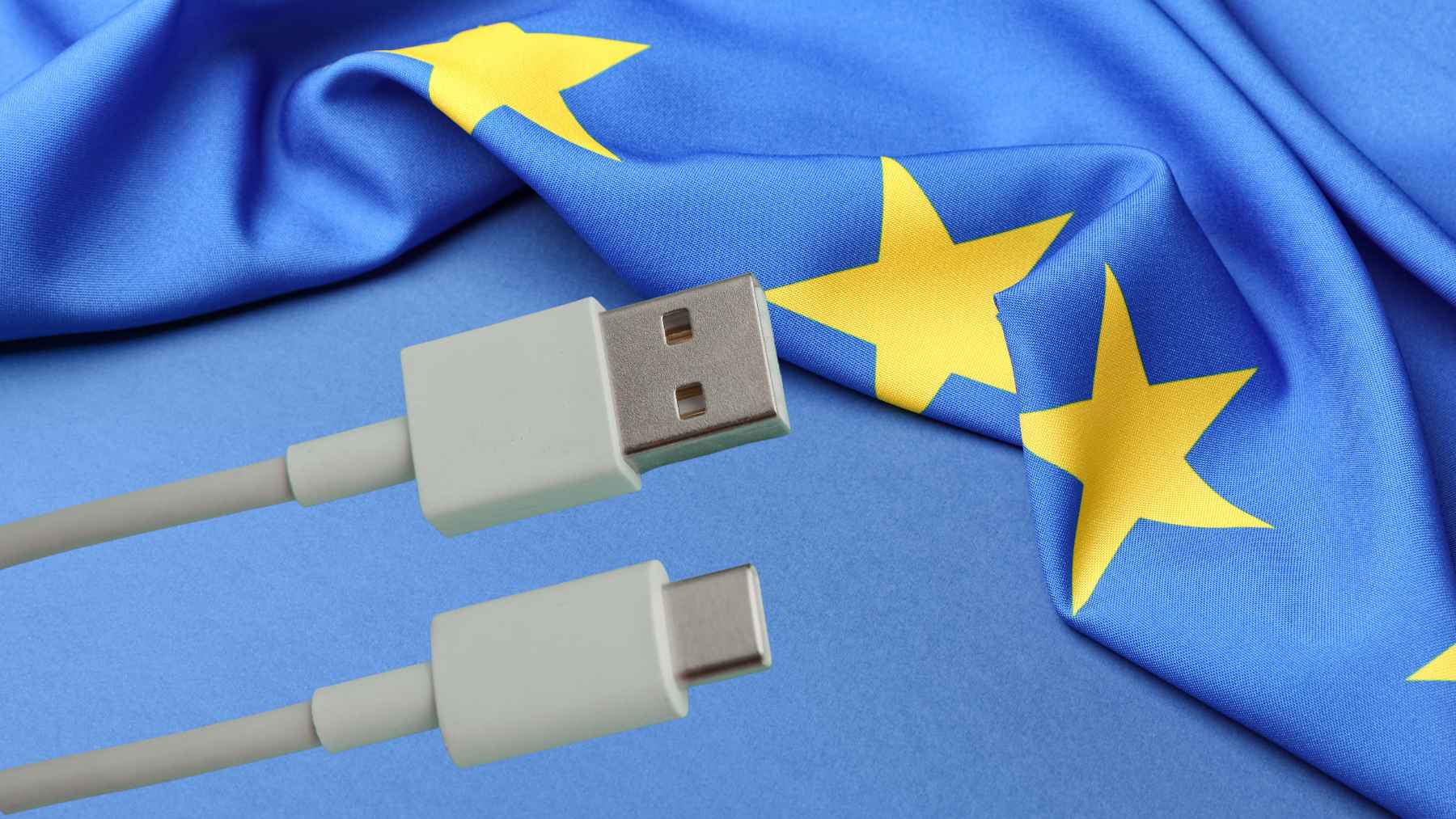
What if the EU rule meant to standardize charging ends up speeding the move away from charging ports altogether? That possibility came into sharper focus at MWC Barcelona 2026, where Tecno showed a 4.9 mm modular concept phone that uses magnetic snap-on accessories like battery packs and speakers instead of a traditional port.
The real surprise is legal. EU guidance says the common charger rules apply to devices “capable of being recharged via wired charging,” which means a fully portless phone that charges only wirelessly would not automatically fall foul of the law.
At first glance, that sounds backward. Since December 28, 2024, new phones and other covered small devices sold in the EU have had to support USB-C, and laptops are due to follow on April 28, 2026. Brussels pitched the change as a simple fix for an everyday annoyance: the drawer full of old cables we all know too well.
By the European Commission’s own estimates, discarded and unused chargers generate about 11,000 tons of e-waste each year, while the new rules could save consumers roughly €250 million (about $273 million) annually on unnecessary charger purchases.
Why wireless charging could become the next policy battleground
But here is the twist. The law was built to harmonize wired charging, not to ban every new hardware idea before it reaches the market. In practical terms, that leaves room for a different kind of smartphone, one with no charging port at all. For phone makers, the appeal is, to a large extent, obvious.
A sealed design can help with thinness, durability, and cleaner industrial design. For regulators, though, the challenge gets trickier. Once the cable disappears, the debate shifts from one plug for everyone to whether wireless charging can be just as open, efficient, and easy to live with. And that is where the next fight begins.
Why portless phones are still not likely tomorrow morning
Still, legal does not mean likely tomorrow morning. Tecno’s device is a concept, and real life has a way of exposing the weak spots. Charging in a rush, moving files, or topping up your battery at an airport gate still feels simpler with a port.
So yes, USB-C remains the standard in Europe. But oddly enough, the same rule may have already opened the door to its eventual successor, no port at all. Small twist. Big signal.
The official guidance was published on EUR-Lex.