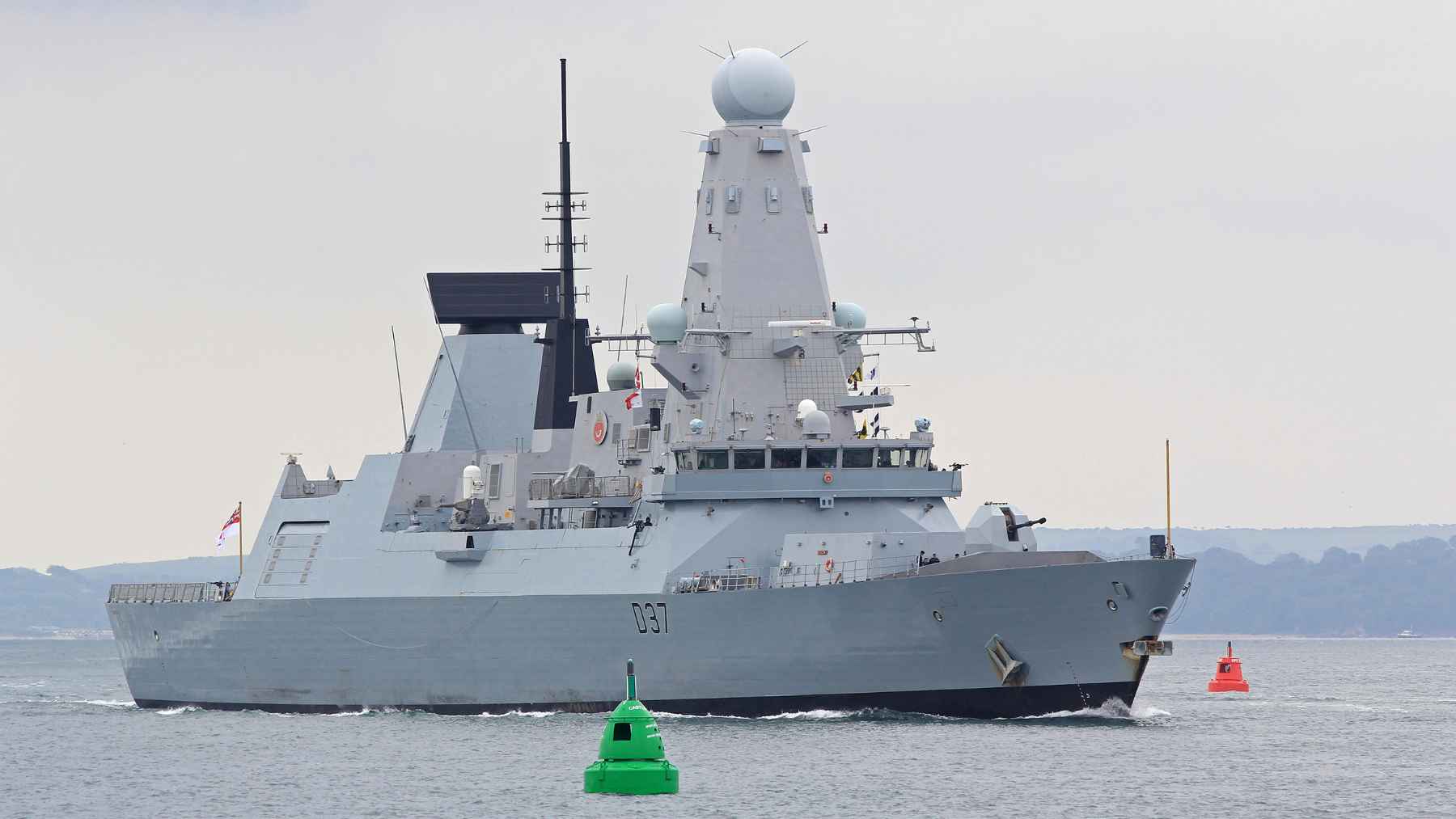
What does modern naval combat look like now? In practical terms, it can mean a destroyer fighting off fast-moving drones, simulated missiles, and internal damage at the same time, all within a single high-pressure drill.
That is exactly what HMS Duncan faced during Exercise Sharpshooter off the Welsh coast, where the Royal Navy put the Type 45 destroyer through a 72-hour test built to mirror the kind of threat picture seen in the Red Sea in 2024.
The headline result was clear. HMS Duncan tracked and neutralized five aerial targets and sank two Hammerhead uncrewed surface vessels while operating with its embarked Wildcat helicopter from 815 Naval Air Squadron.
The ship used a layered mix of systems that included Martlet missiles, heavy machine guns, Phalanx, a 30mm gun, and the 4.5-inch naval gun, while also conducting virtual firings of its Sea Viper air defense system.
Why critical infrastructure defense matters
That matters because the exercise was not just about target practice. It placed Duncan inside a notional task group defending critical national infrastructure — the kind of ports, offshore assets, and maritime links most people rarely think about until something goes wrong.
And that is the point. In an age of cheap drones and increasingly complex missile threats, a warship may have to protect the unseen plumbing of daily life just as much as it protects other ships.
The Royal Navy said the crew stayed in high-readiness “Defence Watches” throughout the exercise, responding not only to external attacks but also to realistic onboard emergencies such as fires and damage-control incidents. Commander Dan Lee said the drill helped prove the ship was “ready to fight and ready to protect.”
QinetiQ, which delivered the exercise with Fleet Operational Standards and Training and Inzpire, said the scenario blended live and synthetic threats to better reflect today’s battlefield.
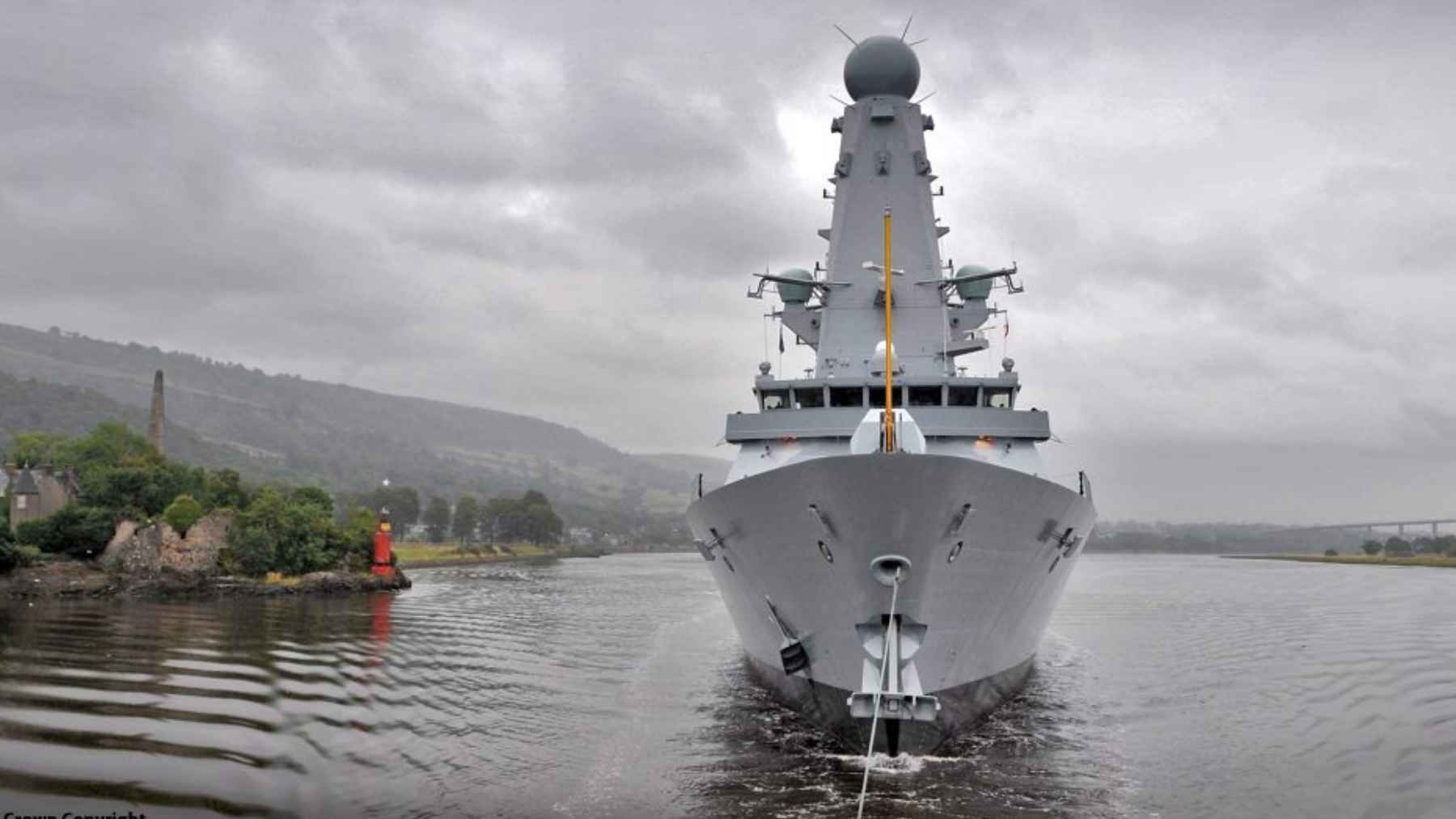
What the Royal Navy drill says about modern naval warfare
There is a bigger takeaway here. For the most part, major navies are no longer preparing for one threat at a time. They are training for overlap, speed, and confusion. Aerial drones above. Uncrewed boats on the surface. Missile tracks on the screen. Then fires below deck. All at once.
That is the new reality. And HMS Duncan’s latest test suggests the UK wants its frontline destroyers ready for it.
The official statement was published on the Royal Navy.