New steel-ball device could help buildings and bridges take less damage during earthquakes
What happens when the power goes out right when a building needs protection the most? A newly patented device from the University of Sharjah is trying to solve exactly that problem.
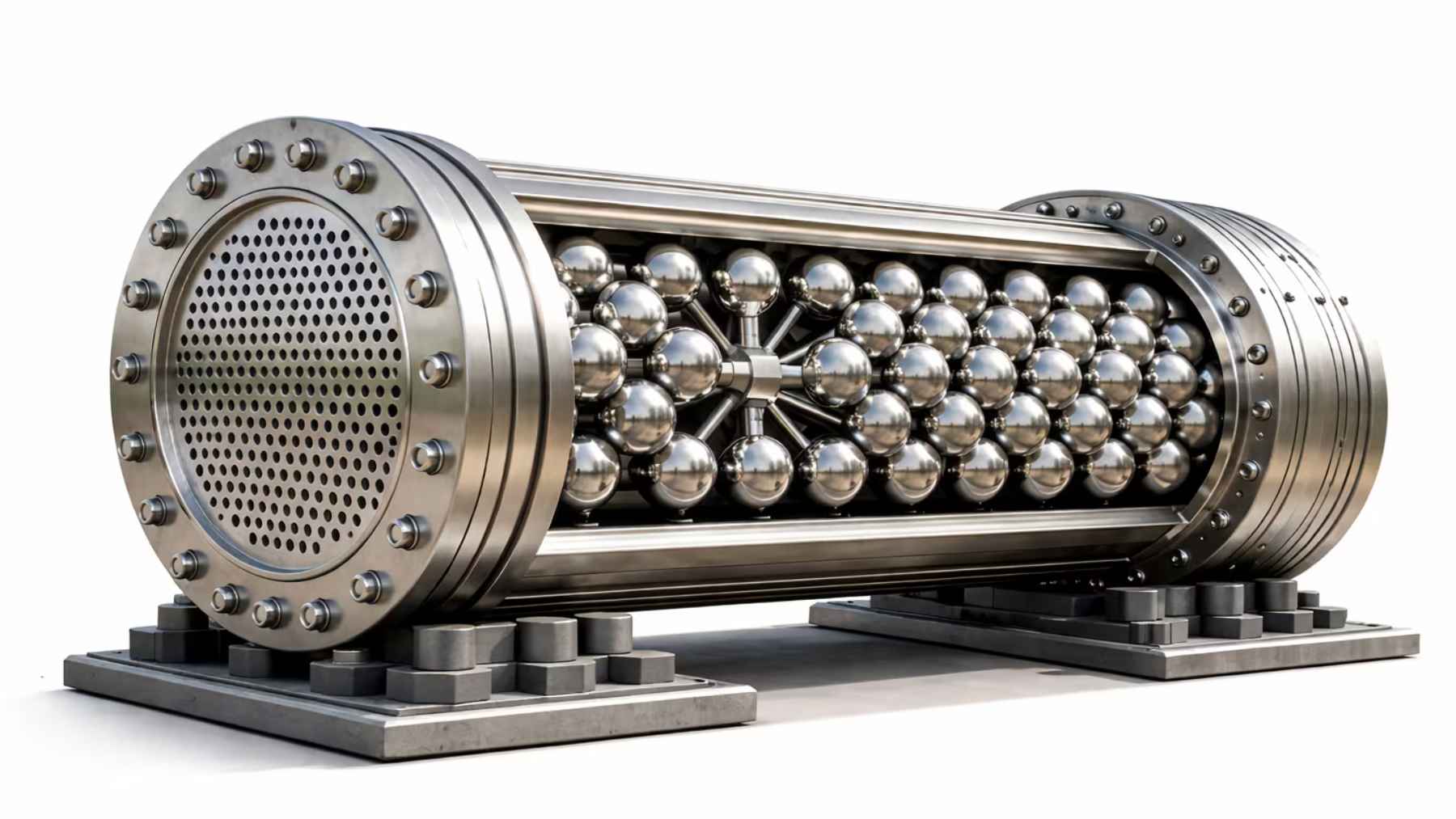
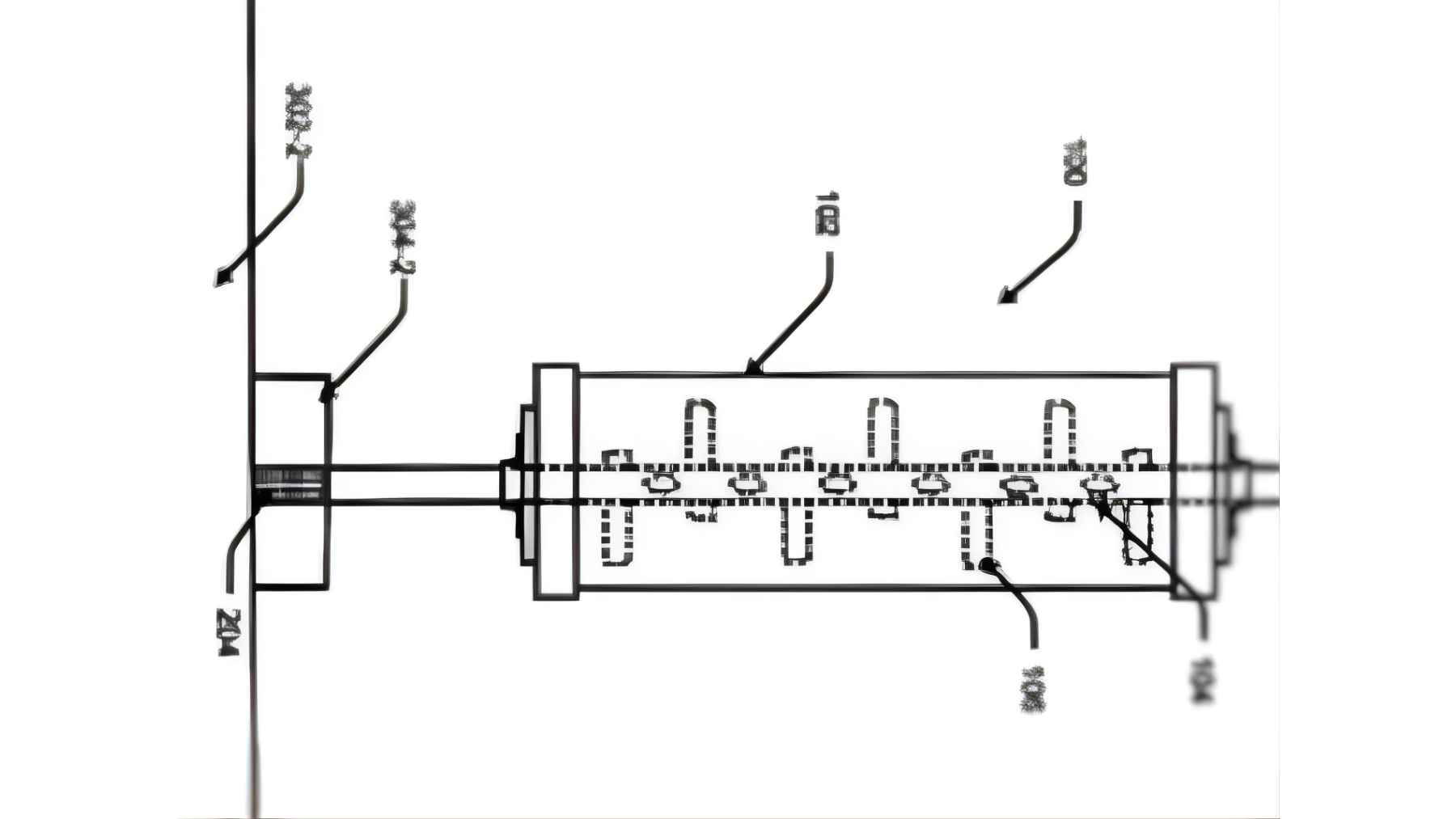
Developed by civil engineering professor Moussa Leblouba, the system uses a hollow cylinder packed with solid steel balls to absorb vibration energy during earthquakes, strong winds, and other shaking events.
In laboratory testing, it dissipated about 14 percent of vibration energy, and it did so without electricity.
Why the power-free design matters
That power-free design is a big part of the pitch. During major earthquakes, blackouts are common, which can leave active protection systems in a weak spot right when they are needed most. Leblouba’s device works through friction alone.
As the attached structure moves, a central shaft fitted with short radial rods slides back and forth through the steel balls inside the cylinder, turning part of that destructive motion into dissipated energy instead of structural stress.
Where the device could be used
In practical terms, that means the invention could offer a simpler backup for buildings, bridges, towers, and even sensitive infrastructure where vibration is more than an engineering headache.
It can also matter for electrical and communications systems, where even smaller oscillations can knock service offline. And in the broader equipment market, the University of Sharjah says the concept could extend to aircraft, ships, scientific instruments, and military equipment.
Lower maintenance and retrofit potential
Another selling point is cost and maintenance. Traditional dampers can leak, deform permanently, or require full replacement after one severe event.
Leblouba says this system was designed so individual parts can be removed and replaced instead of scrapping the whole unit. It also returns to its original position once shaking stops, which could make it more practical for repeated use.
For cities in earthquake-prone regions, especially those working with tighter budgets, that kind of modular approach could make retrofit projects a little less daunting.
The challenge of real-world deployment
Of course, there is still a gap between promising lab results and full-scale deployment in the messy real world of aging buildings, crowded infrastructure, and strict safety codes. But the idea is easy to understand. A mechanical device.
No power cord. Fewer parts. And maybe less damage when the ground starts moving. That is why engineers will likely keep a close eye on what comes next.
The official statement was published on EurekAlert!