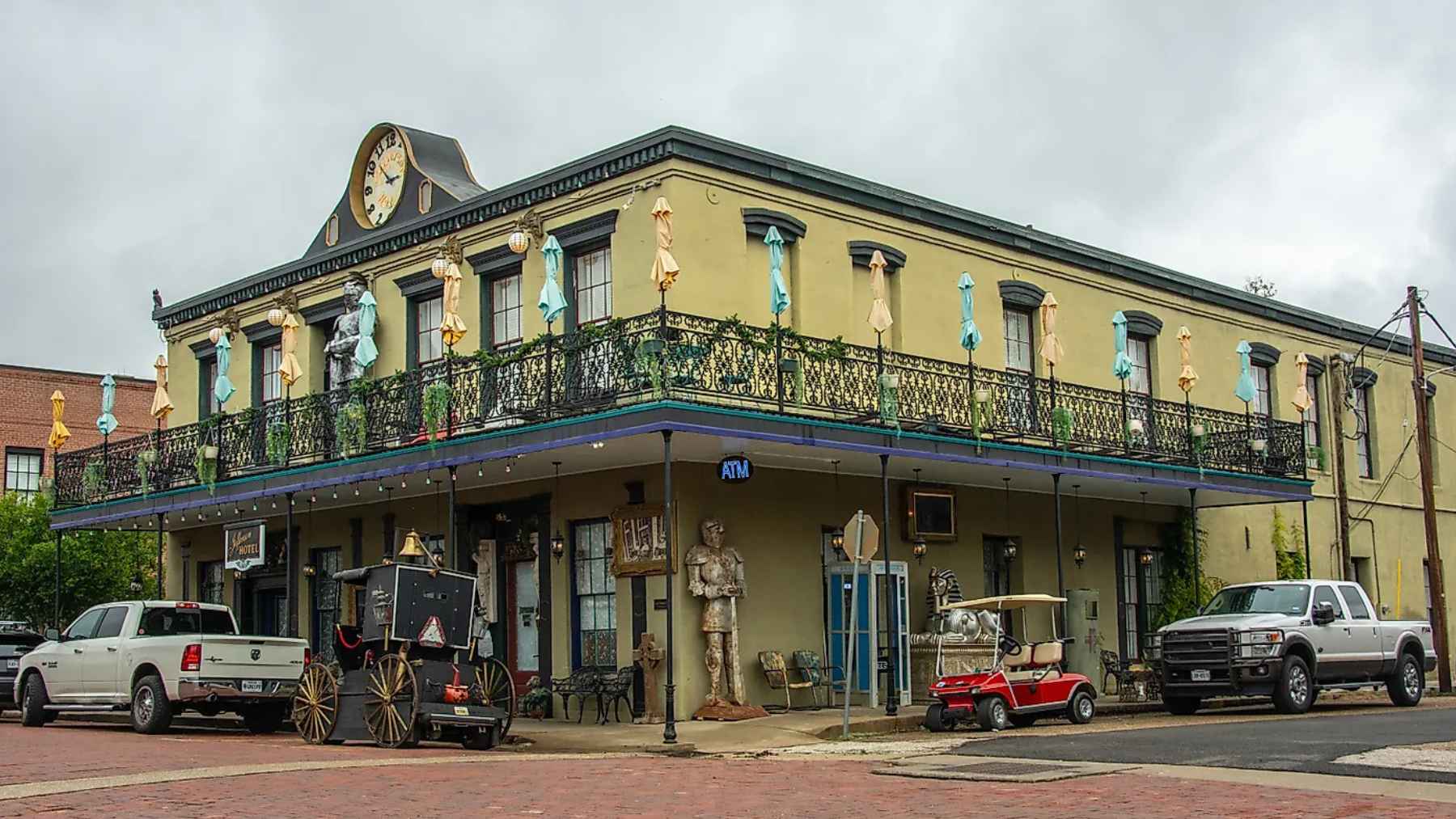
No one talks much about this East Texas town, yet it hides old South secrets, creaky haunted houses, and even an alligator park just a quick drive away. Jefferson, tucked into the pine forests near the Louisiana border, looks at first glance like just another dot on the map. Spend a weekend there, though, and it feels more like a movie set that never packed up and left.
For anyone planning a road trip through East Texas or looking for a quiet escape from Dallas, this is the kind of small Texas town that keeps showing up in travel recommendations, with preserved streets, ghost tours, and easy access to swampy bayous that look straight out of a Southern gothic novel.
Instead of neon and traffic, you get brick storefronts, wraparound porches, and the slow curve of the Big Cypress Bayou. So what exactly is waiting in Jefferson, beyond the postcard scenery and a plate of barbecue?
From riverport boom to living time capsule
In the 1840s, Jefferson grew quickly along Big Cypress Bayou when a natural log jam on the Red River raised water levels enough for steamboats to reach town. Cotton and timber from plantations in Texas, Arkansas, and Louisiana moved through here, turning this corner of the Piney Woods into one of the busiest inland ports in the state.
When engineers finally cleared that log jam in the 1870s, water levels dropped and the steamboats lost their route almost overnight. New rail lines chose nearby Marshall instead, and Jefferson’s boom years faded.
The upside for visitors today is simple. With little pressure to tear things down and build anew, many of the 19th century commercial blocks and homes stayed put, which is why the downtown still feels like a compact open air museum.
At the heart of that story sits the Jefferson Historical Museum, housed in the old federal courthouse and post office. Volunteers here curate artifacts from the steamboat era, early local businesses, and everyday life in Marion County, along with a detailed model railroad layout in a replica depot behind the main building.
It is the kind of place where you move from Civil War era documents to vintage store signs in a single lap of the galleries
History you can walk, paddle, and taste
Jefferson is small enough that you can park once and explore much of it on foot. Self-guided maps from the visitor center point toward nearly one hundred markers and historic buildings, while trolley rides and walking tours layer in stories about merchants, river captains, and the families who stayed after the boom ended.
Bed and breakfasts in restored homes, like the Victorian houses near the center of town, keep that sense of stepping into another century without giving up air conditioning or Wi Fi.
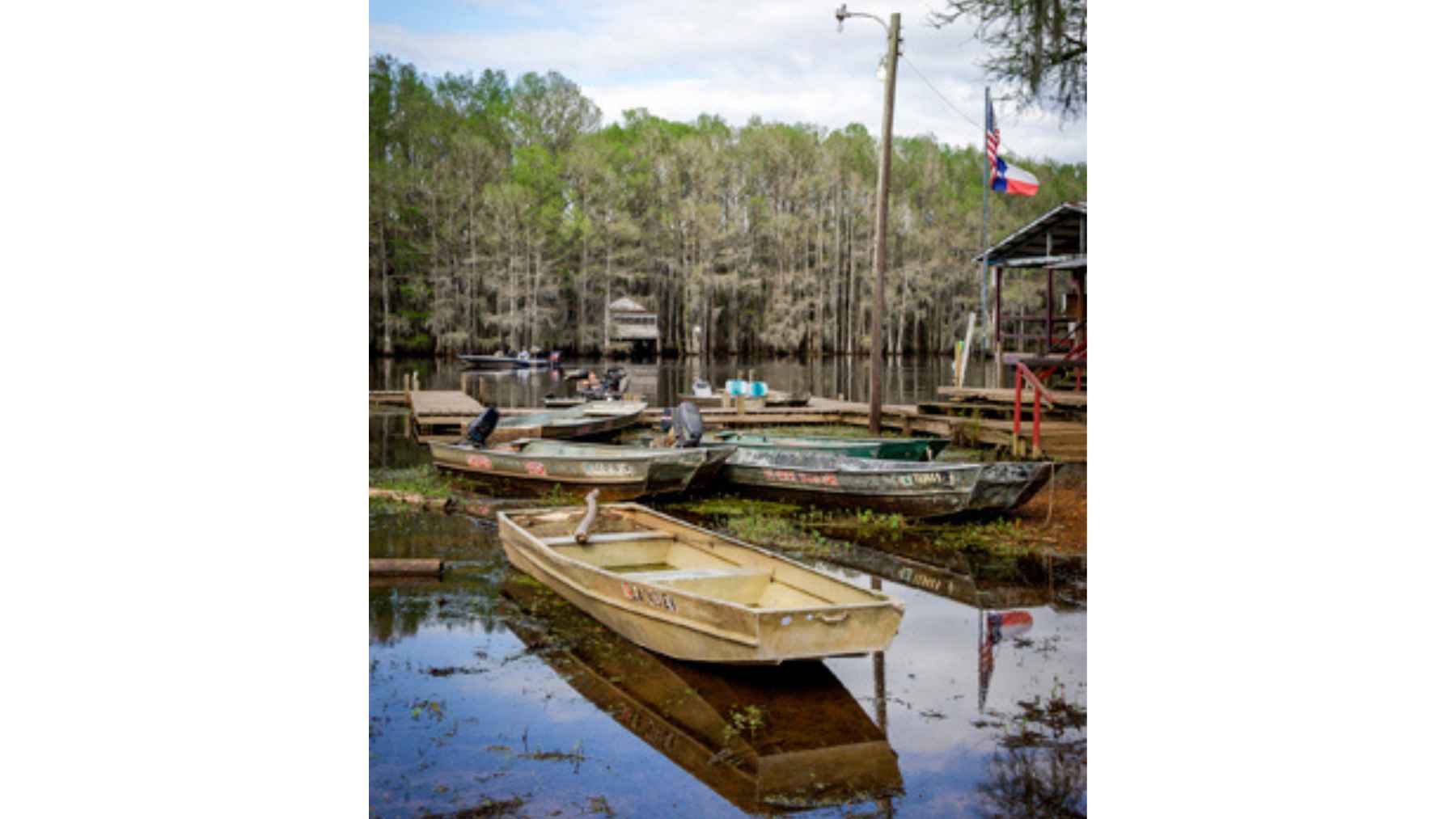
After a morning of brick streets and old courthouses, most travelers start thinking about water. Roughly twenty minutes away, Caddo Lake State Park opens onto a maze of bayous and backwaters that cover more than twenty six thousand acres.
Paddling trails thread between bald cypress trees draped in Spanish moss, while anglers share the water with turtles, herons, and plenty of quiet coves for fishing.
Scientists pay close attention to freshwater habitats like this, in part because work such as the recent study on pesticides and aging fish populations suggests that even low levels of pollution can chip away at the long-term health of lake ecosystems. For visitors, that science mainly shows up as gentle reminders about catch limits, invasive species, and respecting the shoreline.
Park rangers also want people to remember that this is alligator country. Caddo has a healthy population of American alligators, and Texas wildlife officials urge guests to review the state’s alligator safety tips before launching a kayak or letting kids play near the water.
Give the animals space, keep pets leashed, and treat those quiet channels with the same respect you would give a busy city street.
Wetlands like Caddo are part of a much bigger global picture. Around the world, strange patterns and rings of aquatic vegetation have become research subjects in their own right, from East Texas bayous to the rings of seagrass recorded in Scottish waters that scientists are still trying to fully explain.
Haunted nights and alligator parks nearby
Once the sun drops behind the pines, Jefferson leans into a different side of its personality. The Jefferson Ghost Walk leads visitors through alleys, courtyards, and hotel lobbies while a local historian shares stories of riverfront tragedies, mysterious footsteps, and guests who supposedly never checked out.
Some people sign up hoping to see something supernatural. Others just enjoy hearing well researched local history by lantern light while the day’s heat finally eases.
Families who prefer real animals to ghost stories often head a few miles north to Busy B Ranch Wildlife Park, a drive through safari where herds of exotic hoofed animals roam past car windows and alligators bask near the water.
It is the kind of outing that turns into a full afternoon, especially if you have kids in the back seat counting species instead of scrolling their phones.
Scenes like these also help put Jefferson into a wider context of water shaped landscapes. Far from East Texas, projects such as Saudi Arabia’s so-called impossible river show how human engineering can create brand new ecosystems in dry deserts. In Jefferson’s case, the water highways arrived first and the town grew up around them.
A Piney Woods hub that still feels personal
Jefferson also works as a base for exploring the rest of the Piney Woods. Marshall, about seventeen miles south, highlights railroad history and hosts big holiday light displays. Linden to the north offers quieter back roads and lakes, while Shreveport and Longview add larger city amenities within an easy drive.
At the end of the day, though, many travelers choose to linger in Jefferson itself. The town combines a preserved downtown, a nearby wetland that feels worlds away from strip malls, and enough ghost stories to fill an evening walk.
For readers curious about how these elements come together in a broader travel narrative, the site’s own coverage of this small Texas town with haunted houses and an alligator park nearby offers another angle on why it keeps popping up in regional guides.
The official visitor information used in this article was published on Visit Jefferson Texas.