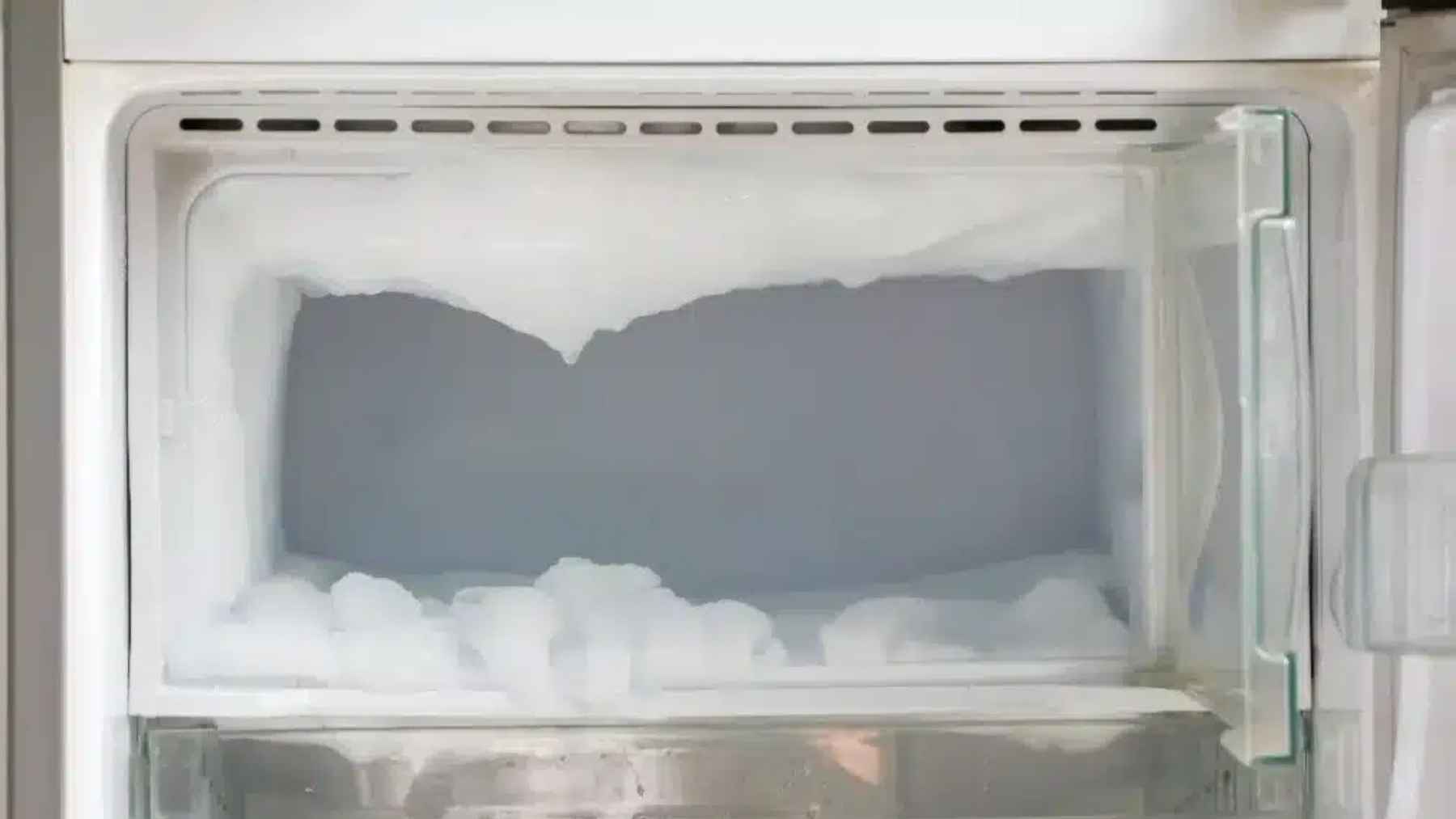
Frost build-up in the freezer is one of those chores that many households delay until a drawer will not close anymore. A thick layer of ice squeezes out your frozen peas and steals cold space. It also quietly forces the appliance to work harder and draw more power.
Energy specialists estimate that refrigeration accounts for roughly 5 to 10 percent of a typical home’s annual electricity use, so a less efficient freezer shows up on the utility bill sooner or later. That is why many manufacturers and energy agencies still recommend defrosting whenever frost is more than about half a centimeter thick.
A new aluminum foil “hack” that has been making the rounds in Spanish language household columns promises a shortcut. It does not require chiseling ice with knives, and it avoids leaving the freezer unplugged all day while food warms up.
How the aluminum foil method works
The basic idea is simple. First, you remove food from the freezer and store it in a cooler or the coldest part of the refrigerator. Then you line the walls of the frost-covered compartment with standard kitchen aluminum foil, lightly pressing it against the ice so that it follows the surface.
Next, you heat a pot of water on the stove until it boils. Once ready, you place the pot carefully on a stable shelf in the freezer, close the door and let the steam and heat do their work. After a few minutes, you open the door again and slide a plastic or wooden spatula under the loosened ice. Most of the sheet of frost lifts off in large pieces with little effort.
Any stubborn patches can be treated by dipping a cloth in hot water and rubbing it gently over the foil until the remaining ice softens.
Once the interior is clear, many home guides suggest wiping the surfaces down with diluted white vinegar. That step cuts through any remaining film and helps control odors.
Why foil and steam speed things up
The trick relies on basic physics. Aluminum is a very good conductor of heat. When you press foil against the frost layer, it acts like a thin bridge between the warm, humid air from the pot and the cold ice on the wall. Instead of the steam warming only the front surface, heat spreads quickly across the foil and into the ice.
That combination of conduction and condensation breaks the grip between the frost and the freezer liner much faster than waiting for room air alone to do the job. In practical terms, it can mean clearing a heavily frosted small freezer in under an hour instead of several.
Energy savings over the long run
Defrosting might feel like a cosmetic chore, but thick ice is essentially unwanted insulation wrapped around the cold surfaces. Compressors then need to run longer to pull enough heat out of the box, driving up both wear and electricity use.
Guides from university extension programs note that manual defrost freezers with clear coils can use 35 to 40 percent less energy than similar units that never get defrosted, especially when frost is kept below about a quarter of an inch.
Even in automatic defrost models, heavy ice build-up around door frames or evaporator fins can undermine the factory system and bring back some of that wasted power.
Cleaner coils and tight door seals also matter. While you have the unit emptied and unplugged, gently vacuuming dust off the condenser coils and checking the rubber gaskets for cracks can shave a little more off the monthly bill.
Safety and common sense still apply
Despite its simplicity, the aluminum foil hack is not risk free. Placing a pot of boiling water inside a powered appliance means you need to be mindful of electrical parts, plastic shelves and your own hands.
Manufacturers typically advise unplugging or turning off the freezer during manual defrosting. If you choose to leave it running, it is important to keep hot cookware away from plastic liners that could warp and to avoid sloshing water into vents or fans.
A sturdy trivet or towel under the pot can spread the weight and protect the surface.
It is also wise not to poke at ice with knives or sharp tools. Scratches in the interior liner can expose coolant lines or create spots where rust and leaks develop later.
A small change in a larger energy picture
At first glance, speeding up one freezer defrost may not feel like a climate story. Yet millions of older appliances in basements and garages quietly draw power year round. When owners keep them clean, defrosted and set near 0 degrees Fahrenheit instead of much colder, the combined savings can be meaningful.
As energy prices fluctuate and grids add more wind and solar, trimming a few kilowatt hours here and there becomes one of the easier ways households can adapt without giving up much comfort.
In that sense, everyday tricks like using foil and steam to tackle frost fit into a broader push to make kitchens and laundry rooms as efficient as the LED bulbs and smart thermostats that already sit on many walls.
The energy fact sheet was published by the Virginia Cooperative Extension.