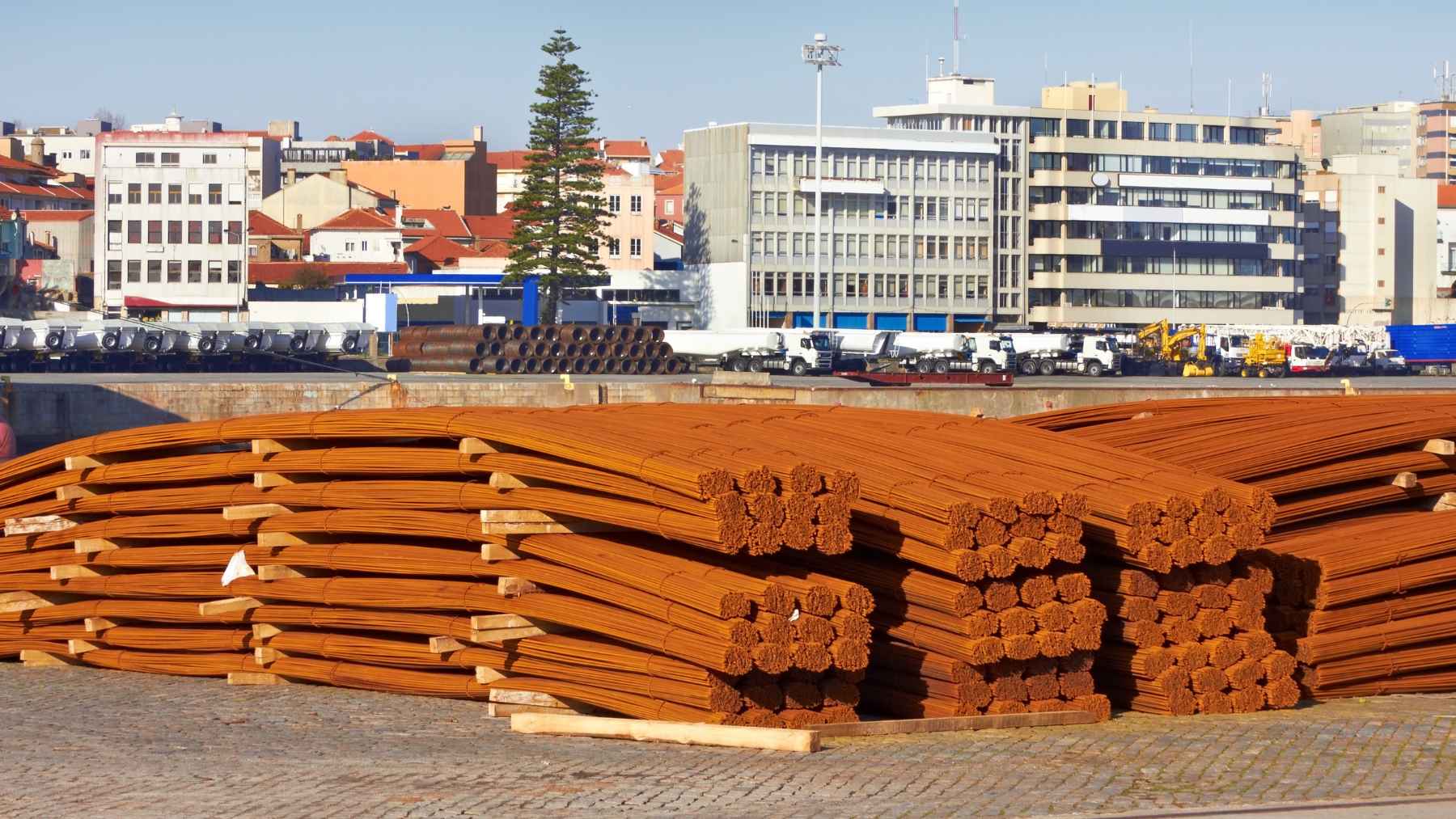
See orange steel on a jobsite and the alarm bells start ringing. Fair enough. But the color alone does not tell the whole story. What really matters is whether the rust is just a thin film on the surface or a deeper corrosion process that has started eating away at the bar itself.
That difference can decide whether the steel is fit for concrete or headed for the scrap pile.
That is the key point many crews and property owners miss. The Concrete Reinforcing Steel Institute’s 2024 “Field Guide for Rust on Reinforcing Bars” says inspection should focus on corrosion condition, surface contaminants, mill scale, and bond strength. Guidance tied to that note says tightly adhering rust or mill scale is generally permissible, while loose material should be removed.
In practical terms, a bar that picked up a light, even layer of rust after rain or humidity is not automatically a structural problem.
Bond strength is where the real issue begins
Why does this matter so much? Because reinforced concrete only works when concrete and steel grip each other and act like one system. And here is the twist. Light rust can sometimes help that grip by making the surface rougher.
But loose flakes, scaling, and heavy corrosion can get in the way of that bond. On a busy pour day, that kind of detail is easy to brush off. It should not be.
Section loss is the real warning sign
The real red flag is loss of section. Once corrosion causes pitting, scaling, or a measurable reduction in diameter, the bar is no longer what the designer specified. That means less steel to carry tension and less margin for safety over time.
Some official guidance describes minor corrosion with no section loss as acceptable, but once section loss appears, the integrity of the element can be affected. Simple question, then. Is it rusty, or is it smaller? That is the question that counts.
Chlorides and concrete protection change the risk
Concrete does offer protection after placement. According to the Federal Highway Administration, concrete pore solution is typically in the pH 12 to 13 range, which helps passivate reinforcing steel with a protective oxide film.
But it does not perform miracles. It can protect sound steel embedded in good concrete, yet it cannot bring back metal already lost before the pour.
And there is one more catch. In coastal zones and other chloride heavy environments, the risk goes up because salt promotes corrosion. So, for the most part, surface rust is not the villain. Missing steel is.