What happens when Big Tech money meets particle physics? CERN says a group of private donors has pledged 860 million euros (about $1 billion) toward the proposed Future Circular Collider, or FCC. That makes this a business story as much as a science one. For the first time, private donors are backing one of CERN’s flagship projects.
The group named by CERN includes the Breakthrough Prize, the Eric and Wendy Schmidt Fund for Strategic Innovation, John Elkann, and Xavier Niel. The Breakthrough Prize was founded by Mark Zuckerberg, Priscilla Chan, Sergey Brin, Julia and Yuri Milner, and Anne Wojcicki.
Why the Future Circular Collider matters
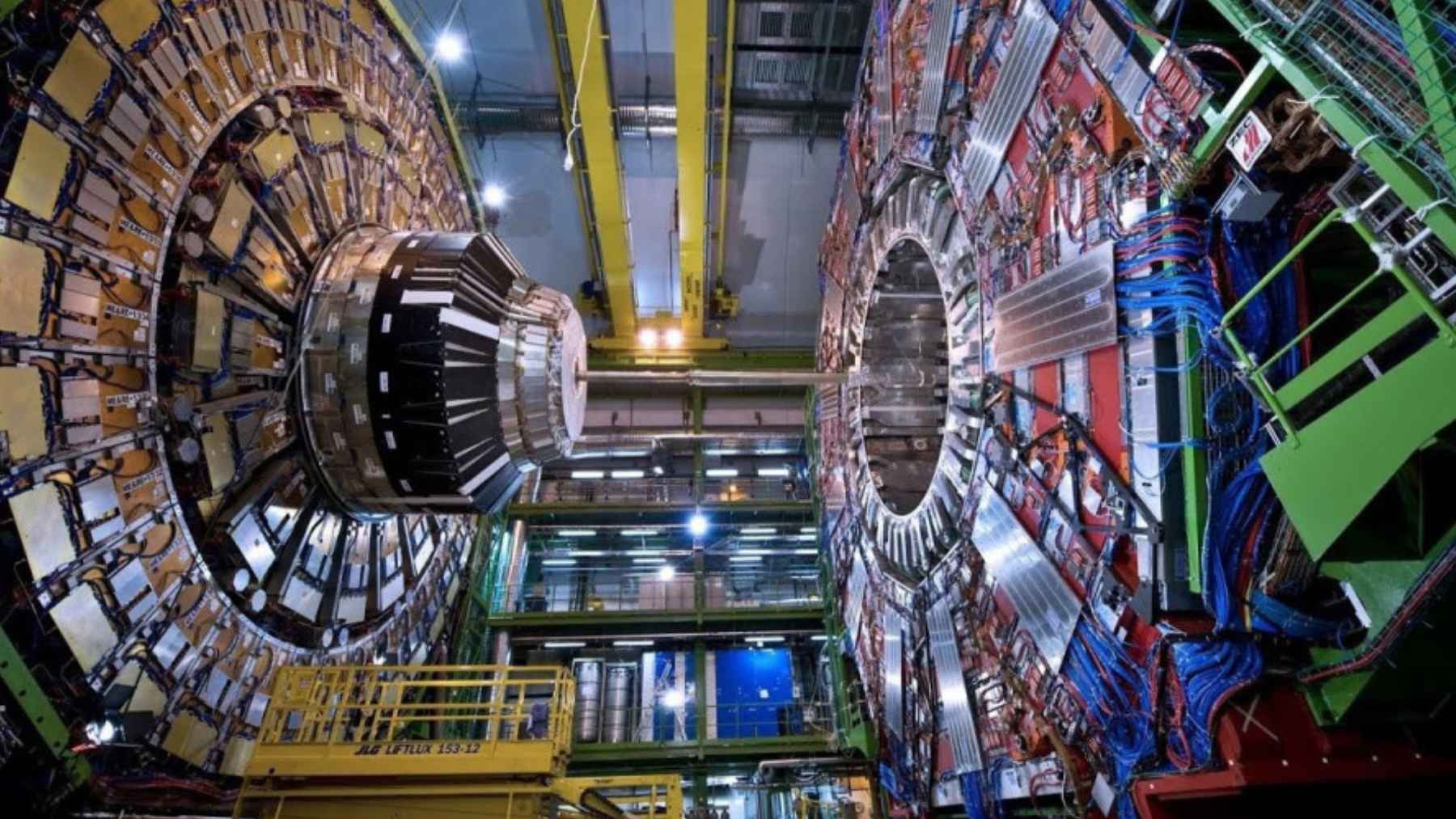
Why does that matter? Because this is not just another lab upgrade. The FCC is the machine CERN hopes could follow the Large Hadron Collider as its next great scientific workhorse. If approved, the collider would stretch 91 kilometers and succeed the LHC in the mid 2040s.
CERN says it would help answer some of the biggest open questions in physics, especially those linked to the Higgs boson and the limits of the Standard Model. Big numbers, yes. But also big stakes.
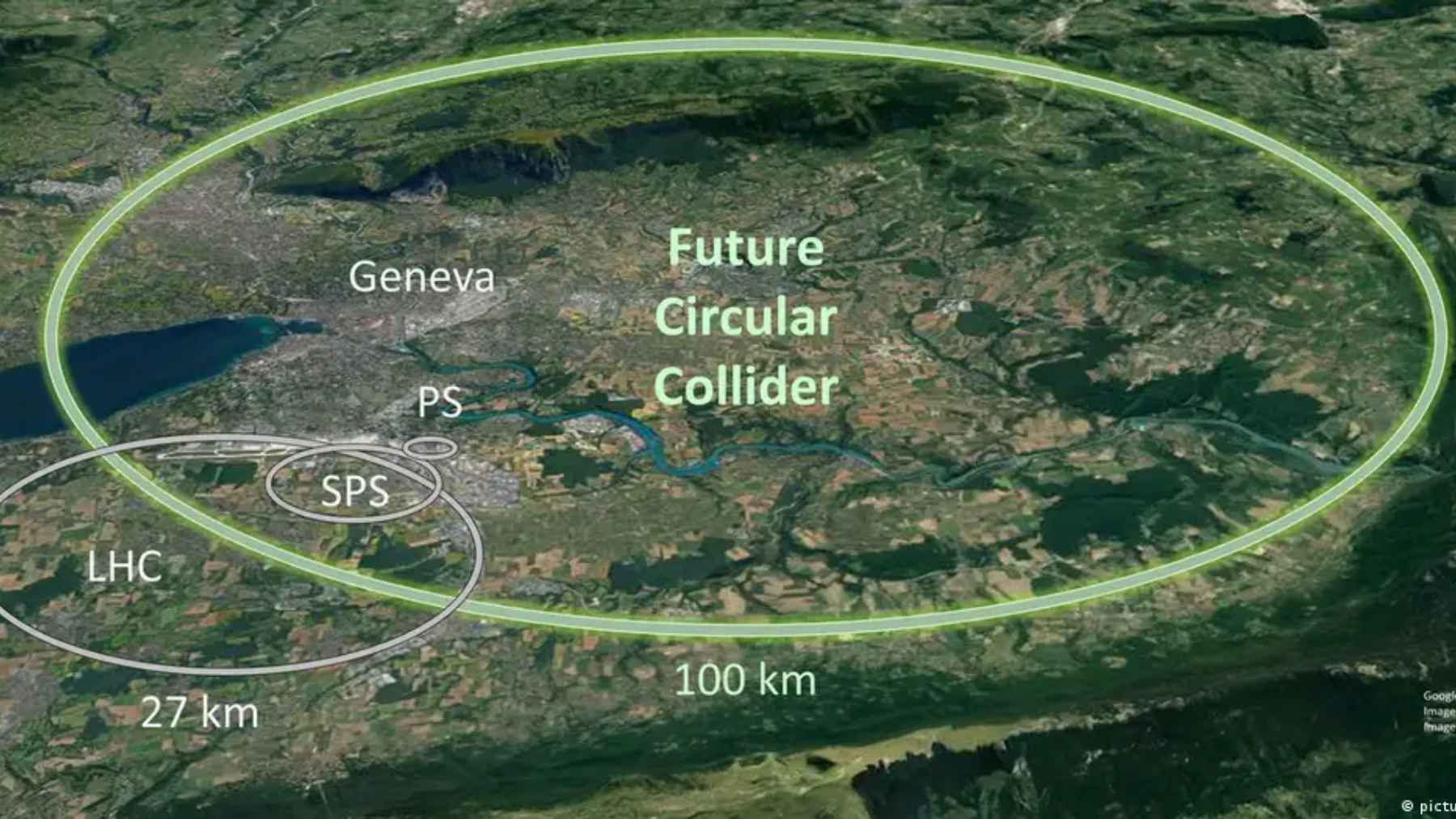
Private donors including major tech figures pledged nearly $1 billion to support CERN’s proposed Future Circular Collider project.
What the FCC could mean beyond the lab
There is also the practical side, and that is where the story gets closer to everyday life. CERN and the donors say the technologies developed through the FCC could spill into medicine, society, computing, advanced materials, and sustainable energy.
That may sound distant at first, a bit like the kind of research that lives only in white papers and conference halls. But history suggests otherwise. Time and again, large science projects end up shaping the tools people use far beyond the lab.
The decision is still years away
Still, readers should keep one thing in mind. This pledge is a strong signal, not a final green light. CERN’s Council is set to conclude the current European Strategy for Particle Physics process in May 2026, while a separate decision on whether to build the FCC is expected around 2028.
So yes, momentum is building. But the political, financial, and technical debate is far from over.
Why this changes the funding conversation
At the end of the day, that may be the real takeaway here. Private money is now trying to help carry one of Europe’s biggest science bets across the line. Whether that changes the future of physics remains to be seen. But it certainly changes the conversation around who gets to fund it.
The official statement was published on CERN.