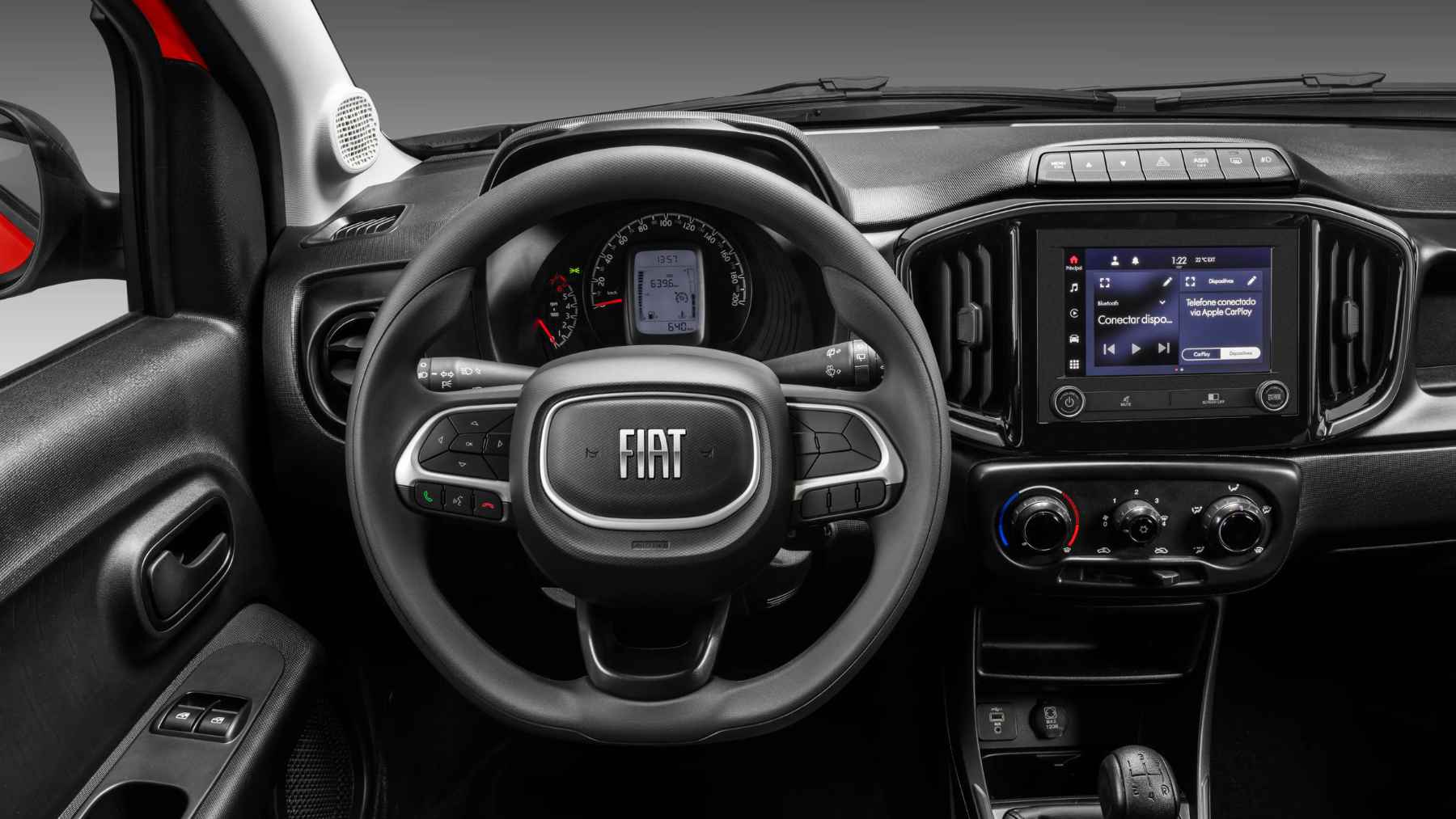
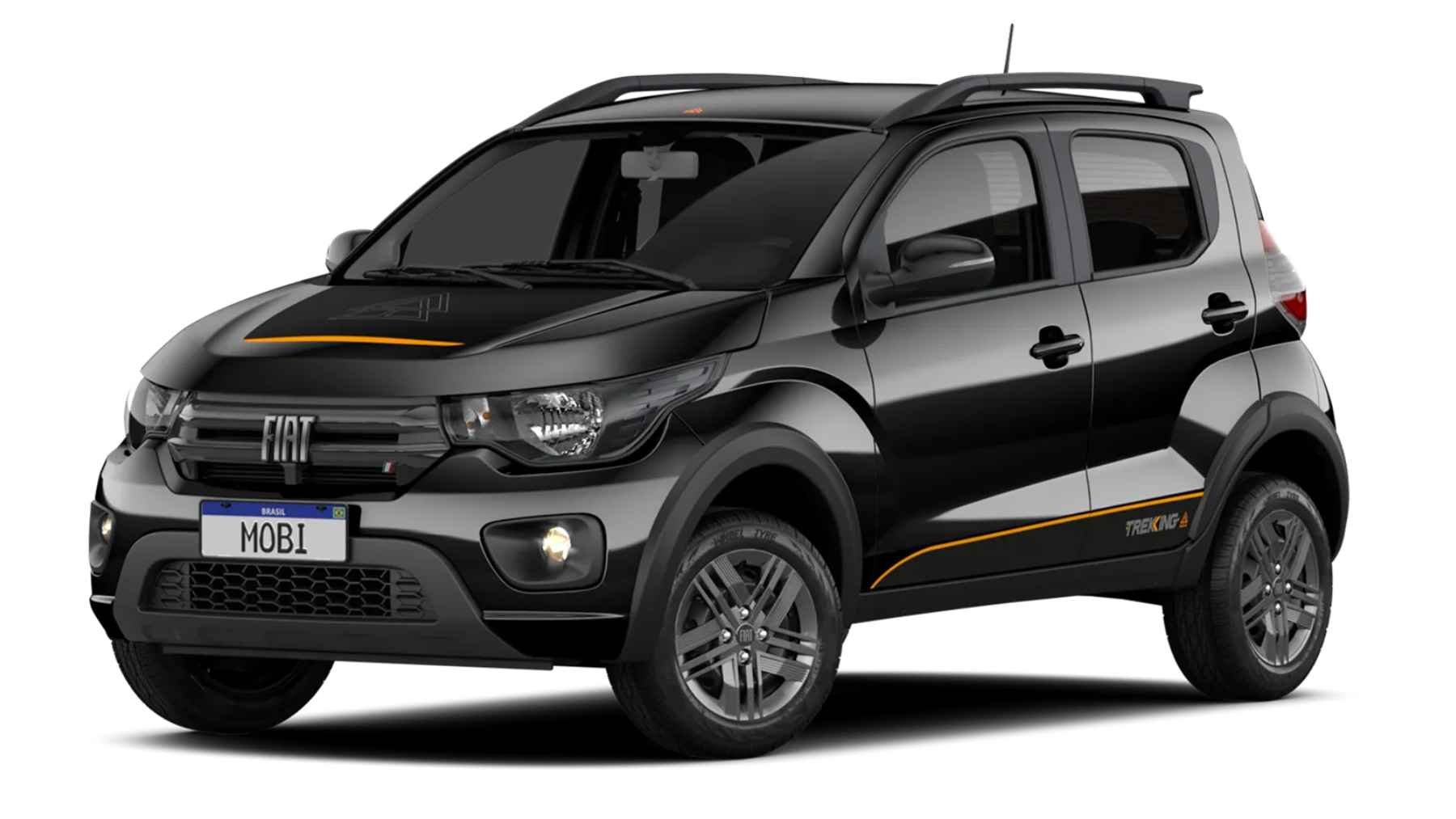
What does a “green” car look like when most buyers are counting every real at the pump? In Brazil, it still looks a lot like a tiny hatchback. Fiat’s official offers page is currently advertising the Mobi Like 1.0 2026 from R$69,990 under specific terms, and that matters for more than business headlines.
It shows that Brazil’s environmental shift is still being shaped by affordable flex-fuel cars, not only by the louder buzz around electric vehicles.
The official specs show why the Mobi matters
Stellantis says the 2026 Mobi uses a 1.0 Firefly flex engine, not the older Fire unit still mentioned in some reports. The official technical sheet lists up to 75 hp on ethanol and 105 Nm of torque, along with fuel economy of 14.0 km/l in the city and 15.1 km/l on the highway with gasoline.
The company also says the model is eligible for Brazil’s federal “Carro Sustentável” program, which targets compact locally built vehicles with strong energy and environmental efficiency.
Biofuels still drive much of Brazil’s transport transition
And that is the real angle here. Brazil’s cleaner transport story has, for the most part, followed its own road. IEA Bioenergy says biofuels made up 22% of the country’s transport energy in 2022, while ethanol represented almost 40% of the energy in combined gasoline and ethanol use.
Then the government moved further in 2025, approving E30 and lifting the ethanol share in gasoline from 27% to 30% starting August 1. In practical terms, that means lower-carbon fuel is showing up in daily commutes, school pickups, and those long traffic jams that leave the air thick with exhaust.
Why the 700 km claim needs a closer look
There is a catch, though. Some headlines have pushed the idea that the Mobi can run around 700 km on one tank. But the current MY26 technical sheet lists a 44 liter fuel tank. Using Fiat’s own highway figure of 15.1 km/l, that points to roughly 664 km in lab conditions.
Still solid. Just not quite the magic number. That small correction matters because it tells readers something useful. Cheap, efficient cars can help lower fuel use and make newer technology more accessible, but the facts still need to line up.
At the end of the day, the Mobi looks less like a breakthrough and more like a bridge. It is a city car for a country where biofuels still do much of the heavy lifting, and where electricity remains a very small slice of transport energy . So yes, it is an environmental story. But not in the way people usually expect.
The official statement was published on Stellantis Media.